Waterproof walkie talkies are essential for reliable communication in wet environments, offering protection against splashes, rain, and even full submersion, depending on their Ingress Protection (IP) rating. For instance, an IP67-rated device is dust-tight and can withstand temporary immersion up to 1 meter for 30 minutes, making it ideal for activities like kayaking, fishing, or professional use in challenging conditions where standard radios would fail.
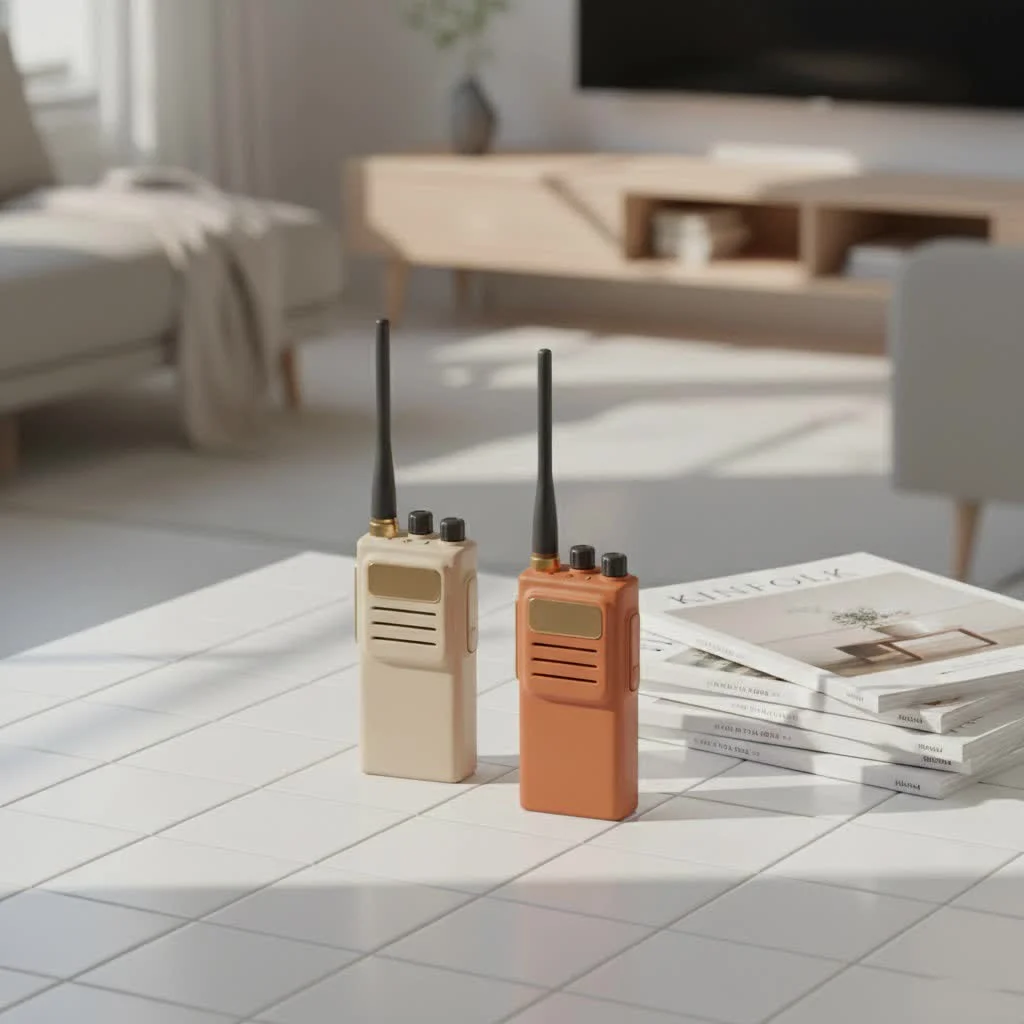
Whether you’re hiking a misty trail, kayaking on a serene lake, or managing a busy construction site exposed to unpredictable weather, your ability to communicate shouldn’t be compromised by water. At Oqdos.com, we empower you with the knowledge to make informed choices, ensuring your conversations stay crystal clear, no matter how wet things get. For compare top reviews on this site.
Understanding “Waterproof”: More Than Just a Label
The term “waterproof” is often used broadly, but its meaning varies significantly for communication devices. It’s crucial to understand the difference between “water-resistant,” “water-repellent,” and “truly waterproof” or “submersible” devices.
- Water-Resistant: These devices handle light splashes and brief rain exposure, typically rated at IPX4 or lower. They can withstand light drizzle but not immersion.
- Water-Repellent: Often featuring a hydrophobic coating, these devices repel water from their surface but are not sealed against immersion.
- Truly Waterproof: A truly waterproof walkie talkie can withstand complete submersion for specified periods, indicated by higher IP ratings like IPX7 or higher. These radios continue to work even after accidental submersion.
Decoding IP Ratings: Your Shield Against the Elements
The International Electrotechnical Commission (IEC) developed the IP (Ingress Protection) rating system to standardize how effectively electronic enclosures protect against solids (like dust) and liquids (like water). An “IPXX” code provides crucial information about a walkie talkie’s resilience.
The first digit indicates protection against solid objects:
- 0: No protection.
- 1: Protection against solids >50mm (e.g., accidental touch by hand).
- 2: Protection against solids >12.5mm (e.g., fingers).
- 3: Protection against solids >2.5mm (e.g., tools, thick wires).
- 4: Protection against solids >1mm (e.g., thin wires, screws).
- 5: Dust protected (limited ingress permitted, but no harmful deposits).
- 6: Dust-tight (no ingress of dust).
The second digit indicates protection against liquids:
- 0: No protection.
- 1: Protection against vertically dripping water.
- 2: Protection against dripping water when tilted up to 15 degrees.
- 3: Protection against spraying water up to 60 degrees from vertical (rain).
- 4: Protection against splashing water from any direction.
- 5: Protection against low-pressure water jets from any direction.
- 6: Protection against powerful water jets.
- 7: Protection against temporary immersion in water, typically up to 1 meter depth for 30 minutes.
- 8: Protection against continuous immersion in water, under conditions specified by the manufacturer (e.g., deeper than 1 meter, longer than 30 minutes).
For example, an IP67 rating means your waterproof walkie talkie is completely dust-tight (6) and can handle temporary submersion up to 1 meter for 30 minutes (7). An IPX7 rating means it wasn’t tested for dust (X) but still offers protection against temporary immersion. Some manufacturers use JIS (Japanese Industrial Standard) ratings; JIS 7 roughly equates to IPX7.
Why You Need a Waterproof Walkie Talkie: Real-World Scenarios
|
Our Picks for the Best Walkie Talkies in 2026
As an Amazon Associate I earn from qualifying purchases.
|
||
| Num | Product | Action |
|---|---|---|
| 1 | LỖI |

|
| 2 | Walkie Talkies, MOICO Long Range Walkie Talkies for Adults with 22 FRS Channels, Family Walkie Talkie with LED Flashlight VOX LCD Display for Hiking Camping Trip (Orange 2 Pack) |
|
| 3 | Retevis RB48 Waterproof Walkie Talkies, Heavy Duty Two Way Radio, Advanced Triple Proof, Vibration Call, USB-C, SOS,2000mAh, NOAA, 2 Way Radio(2 Pack) Yellow |
|
| 4 | AILOCITAG Kids Video Walkie Talkies, 2 Pack Rechargeable HD Video Walkie Talkie, No WiFi Needed, 1640 ft Outdoor Range, Secure 1-to-1 Channel, 4 Voice Effects for Boys Girls Ages 3–12 |
|
| 5 | pxton Walkie Talkies Rechargeable Long Range Two-Way Radios with Earpieces,2-Way Radios UHF Handheld Transceiver Walky Talky with Flashlight Li-ion Battery and Charger(2 Pack) |
|
| 6 | Retevis RB48 Heavy Duty Waterproof Walkie Talkies, Long Range Rechargeable Two Way Radios, Advanced Triple Proof, Vibration Reminder, for Warehousing Construction Contractor(10 Pack) |
|
| 7 | Retevis RT22 Two Way Radio Long Range Rechargeable,Portable 2 Way Radio, USB-C Charging, Handsfree Walkie Talkies for Adults Cruise Hiking Camping(4 Pack) |
|
| 8 | Retevis RT22 Walkie Talkies Rechargeable Hands Free 2 Way Radios Two-Way Radio(6 Pack) with 6 Way Multi Gang Charger |
|
| 9 | Wishouse Walkie Talkies Rechargeable for Kids Adults Long Range,Xmas Birthday Gift for Boys Girls 3 4 5 6 7 8 9 10 Year Old,Hiking Camping Gear Games Ideas Toys with Flashlight,VOX,Easy to Use 4 Pack |
|
| 10 | Retevis RT68 Walkie Talkies with Earpiece, Portable FRS Two-Way Radios Rechargeable, with 6 Way Multi Unit Charger, Hands Free, Long Range, Rugged 2 Way Radios 6 Pack for Adults School Church |
|
A truly waterproof communication device ensures operational integrity and safety in environments where traditional radios cannot cope.
Outdoor Adventures
For activities like mountain hikes, fishing, kayaking, canoeing, or skiing, a waterproof walkie talkie ensures you can call for help, coordinate with your group, or check in with base camp without fear of water damage. An ordinary radio would quickly become unusable in an unexpected downpour or river navigation.
Water Sports
For water sports enthusiasts, from paddleboarding to competitive sailing, a floating, waterproof walkie talkie is crucial. It allows communication with teammates, shore support, or family on the beach. Features like water-activated flashlights are invaluable if the radio falls into water at night.
Professional Use
Waterproof capabilities are critical for professionals in various fields:
- Emergency Services: High mountain and sea rescuers rely on submersible, often floating, walkie talkies for life-or-death situations.
- Construction Sites: Rugged, waterproof radios ensure teams stay connected despite daily exposure to dust, rain, and splashes.
- Marine Operations: Coastguards, commercial fishermen, and boat captains require devices that withstand constant saltwater exposure and submersion, often needing marine VHF radios with IPX8 ratings.
- Forestry, Mining, and Petroleum: These industries operate in remote, wet, and dirty locations where robust, waterproof communication is essential for safety and coordination.
Key Features of High-Performance Waterproof Walkie Talkies
Beyond the IP rating, several features enhance the utility and reliability of waterproof radios in wet conditions.
- Floating Design: Essential for water-based activities, allowing easy retrieval if dropped. High-visibility accents (e.g., bright orange) further aid recovery.
- Water-Activated Features: Some models include water-activated LED flashlights or strobes that turn on automatically when submerged, simplifying retrieval in low light.
- Rugged Construction & Durability: Look for shock-resistant casing, reinforced corners, and sealed ports to handle bumps and drops common in outdoor and professional use.
- VOX (Voice-Activated Transmission): Enables hands-free operation for activities like paddling, climbing, or cycling, allowing transmission by speaking without pressing the PTT button.
- NOAA Weather Alerts: Many outdoor-focused waterproof radios provide real-time alerts for severe weather warnings, critical for safety.
- Vibration Alert: In noisy environments (e.g., boat engine, construction site), a vibration alert notifies you of incoming calls silently, preventing missed communications.
- Battery Life and Type: Consider how long the radio needs to last. Proprietary rechargeable batteries offer convenience, while models that also use standard AA/AAA batteries provide flexibility for extended trips. Cold temperatures can reduce battery life by 20-40%.
Saltwater vs. Freshwater: A Critical Distinction
Saltwater is significantly more damaging to electronics than freshwater due to its high conductivity and corrosiveness. Even minor ingress can cause immediate short circuits and electrochemical corrosion.
Why saltwater is insidious:
- Conductivity: Saltwater is 100-1000 times more conductive than freshwater, leading to rapid short circuits.
- Corrosiveness: The ionic nature of salt aggressively accelerates the corrosion of metal components, including charging contacts, battery terminals, and internal circuitry.
- Residue Formation: Evaporated saltwater leaves salt crystals that continue to cause damage, attracting moisture and promoting further corrosion.
Tests consistently reveal that rubber seals degrade faster with repeated saltwater exposure, and external charging contacts show significant corrosion within days if not properly cleaned. Salt crystal buildup can also reduce speaker volume and clarity. Most manufacturer warranties explicitly exclude saltwater damage, even for radios marketed as “marine.”
As John Wallace, a seasoned communications specialist at Oqdos.com, often says, “When it comes to saltwater, prevention isn’t just better than cure, it’s often the only cure. Always rinse, always dry, and never assume your waterproof rating makes you invincible against the ocean’s bite.”
Maximizing Lifespan: Care and Maintenance for Your Waterproof Radio
Diligent maintenance is crucial to preserve your waterproof walkie talkie’s protective seals and ensure long-term performance in wet conditions.
Post-Exposure Cleaning Protocol
- Immediate Rinse: After any exposure to saltwater or muddy freshwater, rinse your radio thoroughly with clean, fresh water within one hour.
- Gentle Cleaning: Use a soft brush to carefully remove sand, dirt, or debris from seams, speaker grilles, and microphone ports.
- Complete Drying: Gently shake out excess water. Blot, don’t wipe, with a clean microfiber cloth.
- Air Drying: Allow your radio to air dry completely in a well-ventilated area for at least 24 hours before storage.
- Battery Compartment Check: If your model allows, open the battery compartment (only when completely dry) and inspect for any moisture, then dry thoroughly.
Seal Maintenance Procedure
- Regular Inspection: Monthly, check all rubber seals and O-rings for cracks, deformation, stiffness, or embedded debris.
- Gentle Cleaning: Clean seals with fresh water and a mild soap if necessary.
- Silicone Lubrication: Apply a thin layer of silicone grease (never petroleum-based products) to rubber O-rings every 3-6 months to keep them supple and prevent drying.
- Replace When Needed: If seals show any signs of damage, replace them immediately with manufacturer-specific replacement parts.
Storage Recommendations
- Store your radio in a cool, dry place away from direct sunlight.
- For long-term storage, remove batteries to prevent corrosion.
- If possible, store with the battery compartment slightly ajar to prevent seal compression and allow air circulation.
- Consider using silica gel packets in storage containers to absorb humidity.
Warning Signs of Seal Degradation
- Discoloration or stiffening of rubber seals.
- Visible cracks, tears, or deformation.
- Condensation appearing under the display screen.
- Any signs of corrosion in the battery compartment or charging ports.
- Noticeable decrease in water resistance during use.
Emergency Recovery: What to Do When Your Radio Gets Wet
Even with precautions, accidents happen. If your waterproof walkie talkie is exposed to water beyond its rated capacity or shows signs of infiltration, these steps might save your device.
Immediate Response Protocol
- Power Off Immediately: Turn off the device and remove the batteries as quickly as possible to minimize the chance of a short circuit.
- Fresh Water Rinse (if saltwater exposure): If submerged in saltwater, gently rinse the entire device thoroughly with fresh water to remove corrosive salts.
- Remove Excess Water: Gently shake out visible water. Blot, do not wipe, with an absorbent cloth.
- Open All Compartments: Open the battery compartment and any other accessible covers or ports for maximum air circulation.
- Remove SIM/Memory Cards: If applicable, remove and dry separately.
Drying Procedure
- Air Dry First: Place the device in a well-ventilated area, ideally with some airflow, for at least 24-48 hours. Position it with ports/openings facing downward to aid drainage.
- Desiccant Method: For accelerated drying, place the radio in a sealed container filled with desiccant packets (silica gel) or uncooked rice for at least 72 hours. Silica gel is more effective.
- Patience is Key: Do not attempt to power on the device until you are absolutely certain it is completely dry. Rushing this step can cause irreparable damage.
What NOT To Do
- Never use a hairdryer, microwave, or oven to speed up drying. Extreme heat can damage internal components and warp seals.
- Never shake the device vigorously, as this can spread water further inside.
- Never press buttons repeatedly while the device is wet.
- Never charge the device until it is completely dry.
- Never use compressed air, which can force water deeper into the device.
Choosing Your Perfect Waterproof Companion: A Buying Guide
Selecting the ideal waterproof walkie talkie means matching its capabilities to your specific environment, activities, and communication needs.
Step 1: Determine Your Waterproof Requirements
- Splash Resistance (IPX4/JIS4): Suitable for light rain, misty conditions, or occasional splashes.
- Immersion Resistance (IPX7/IP67): For activities where accidental submersion is a risk (e.g., kayaking, fishing, sudden drops).
- Extended Submersion (IPX8): For professional marine use, diving, or situations requiring prolonged underwater operation.
Step 2: Identify Your Primary Environment
- Freshwater Lakes/Rivers: Standard IPX7 is generally sufficient.
- Saltwater Marine: Prioritize marine-specific models with enhanced saltwater corrosion resistance and robust warranties.
- Snow/Winter: Consider models with excellent cold-weather battery performance and glove-friendly controls.
- Mixed Terrain: Focus on overall durability, ruggedness, and a good balance of features.
Step 3: Assess Realistic Range Requirements
Manufacturer claims are often optimistic. Always divide advertised range by 5-10 for a realistic estimate in real-world conditions.
- Open Water: Expect 1-3 miles for standard walkie talkies; marine VHF radios can achieve 3-8 miles.
- Forested/Hilly Areas: Typically 0.5-1 mile.
- Urban Areas: Often limited to 0.25-0.5 miles due to obstructions.
- Mountainous Terrain: Highly variable, depending on line of sight.
Step 4: Consider Essential Features
- Floating Design: A must-have for water sports.
- Water-Activated Flashlight: Improves visibility for night retrieval.
- VOX (Voice Activation): Hands-free operation for active users.
- NOAA Weather Alerts: Crucial for outdoor safety.
- Vibration Alert: For discreet communication in noisy environments.
Step 5: Evaluate Battery Options
- AA/AAA Batteries: Easy to replace in the field, ideal for extended trips without charging access.
- Proprietary Rechargeable: Offer good performance but require charging infrastructure.
- Hybrid Systems: The best of both worlds, supporting both rechargeable packs and standard batteries.
Activity-Specific Recommendations
- Fishing/Boating: Motorola T600 H2O (IP67, floats) or a dedicated marine VHF radio like the Standard Horizon HX890 (IPX8, integrated GPS, DSC).
- Kayaking/Canoeing: Cobra ACXT1035R FLT (IPX7, floats) or Retevis RT49P (IP67, floats, built-in carabiner).
- Hiking/Camping: Midland GXT1000VP4 (JIS4 weather-resistant, NOAA alerts) or Motorola T800 (IP54, Bluetooth app connectivity).
- Professional Use: Icom IC-M73 Plus (IPX8, military-grade) or Kenwood ProTalk TK-3601D (IP67, industrial-grade).
Waterproof Walkie Talkies vs. Marine VHF Radios: Which is Right for You?
While both offer water protection, waterproof walkie talkies (FRS/GMRS) and Marine VHF radios serve distinct purposes with different regulations and capabilities.
| Feature | Waterproof FRS/GMRS Walkie Talkies | Marine VHF Radios |
|---|---|---|
| Licensing | None for FRS, FCC license for GMRS | Marine radio operator’s permit for international waters |
| Typical Range | 0.5-2 miles (realistic) | 3-10 miles over open water |
| Channels | 22 FRS/GMRS with privacy codes | All international marine channels (~60) |
| Emergency Features | Basic alert buttons, weather alerts | DSC distress calling, direct Coast Guard access |
| Typical Power Output | 0.5W (FRS) to 5W (GMRS) | 6W handheld, 25W fixed mount |
| Typical Price Range | $50-150 per pair | $100-300 per unit |
| Waterproof Rating | Usually IPX7/IP67 | Usually IPX7/IPX8 |
| Legal Usage | Land-based communication primarily | Marine communication (mandatory for some vessels) |
Choose waterproof walkie talkies for basic water protection in recreational activities, simple operation without licensing, or group communication on land with occasional water exposure. Opt for Marine VHF radios if you’re boating in coastal waters, need to communicate with other vessels or marinas, or require essential emergency communication with the Coast Guard. Often, having both is the ideal solution!
Common Purchase Mistakes to Avoid
Learn from these common pitfalls when purchasing two-way radios:
- Believing Manufacturer Range Claims: Always factor in environmental obstacles and real-world conditions, which drastically reduce advertised ranges.
- Assuming All “Waterproof” Ratings Are Equivalent: IPX4 is not IPX7, and IPX7 is not IPX8. Understand what each rating truly means for your intended use.
- Overlooking Battery Type and Capacity: Ensure battery life and type align with your trip duration and charging access. Remember how cold weather impacts performance.
- Ignoring Warranty Terms Regarding Water Damage: Especially for saltwater, carefully read the fine print. Most warranties do not cover it.
- Purchasing Based Solely on Price: A cheap radio that fails when you need it most is not a bargain. Match features and durability to your specific needs and environment.
Frequently Asked Questions About Waterproof Walkie Talkies
Here are some of the most common questions about waterproof walkie talkies, with answers based on extensive experience and testing.
What’s the realistic range I can expect from waterproof walkie talkies?
Realistic ranges are much shorter than advertised claims. Expect 1-3 miles in open water, 0.5-1 mile in forests or hilly terrain, and 0.25-0.5 miles in urban areas. Marine VHF radios typically achieve 3-8 miles over open water.
Can I use my waterproof walkie talkie for snorkeling or diving?
Standard IPX7/IP67 walkie talkies are generally not suitable for snorkeling or diving, as they are rated for only 1 meter depth for 30 minutes. Only IPX8-rated devices with specific depth and pressure ratings should be used underwater, and radio signals only penetrate a few inches below the water’s surface.
How long do batteries last in waterproof walkie talkies?
In typical use, battery life ranges from 8-18 hours. Factors like transmission frequency, temperature (cold reduces life by 20-40%), and feature usage (e.g., water-activated lights) all play a role. Rechargeable batteries often provide slightly less runtime than alkaline but maintain better performance in cold conditions.
Do waterproof walkie talkies work in freezing temperatures?
Yes, they do, but with reduced performance. Cold temperatures can significantly affect battery life (decreasing it by 20-40%) and make rubber seals less flexible. Some models are better optimized for cold weather.
Can I use my waterproof walkie talkie to communicate with regular non-waterproof models?
Yes, absolutely, as long as both radios operate on the same frequency band and channel. Waterproofing doesn’t affect compatibility with other FRS/GMRS or marine VHF radios.
Are waterproof walkie talkies legal to use internationally?
Regulations vary by country. FRS/GMRS frequencies in the US differ from PMR446 frequencies in Europe. Marine VHF channels are more standardized but may require specific licensing depending on your location and vessel type. Always check local regulations.
How often do I need to replace the waterproof seals?
With proper maintenance, seals typically last 2-4 years with regular use. Look for signs like discoloration, stiffness, or visible cracks. Some manufacturers offer seal replacement kits.
Can waterproof walkie talkies float with batteries installed?
Only models specifically designed with flotation will reliably float with batteries installed. Always check the product specifications. Models like the Motorola T600, Cobra ACXT1035R, and Retevis RT49P are known to float with batteries.
Do I need a license to use waterproof walkie talkies?
For FRS (Family Radio Service) walkie talkies, no license is required in the US. However, GMRS (General Mobile Radio Service) radios require an FCC license. Marine VHF radios generally require a restricted radiotelephone operator permit for international waters, but often not for domestic recreational use.
How can I extend the range of my waterproof walkie talkie?
Position is the most critical factor. Gaining elevation dramatically increases range. Holding the radio at shoulder height rather than waist level can improve range by 25-40%. Over water, hold it as high as possible. Terrain and obstacles are the primary limiters, regardless of power output.
Conclusion: Your Adventure, Uninterrupted
Choosing the right waterproof walkie talkie is about investing in reliable communication that keeps you safe, connected, and in control, no matter what Mother Nature throws your way. As your trusted experts at Oqdos.com, we’ve shared insights forged over years of hands-on experience, from understanding the nuances of IP ratings to the critical care your devices need after a saltwater encounter.
Don’t let water be the barrier between you and clear communication. Evaluate your needs, understand the ratings, and select a radio that’s built to brave the elements alongside you. Dive into your next adventure with confidence, knowing your waterproof walkie talkie from Oqdos.com has your back, ensuring your voice is heard, loud and clear.
Frequently Asked Questions
What is the realistic range for waterproof walkie talkies?
Realistic ranges for waterproof walkie talkies are significantly shorter than advertised. Expect 1-3 miles in open water, 0.5-1 mile in forests or hilly terrain, and 0.25-0.5 miles in urban areas. Marine VHF radios typically achieve 3-8 miles over open water.
Can waterproof walkie talkies be used for snorkeling or diving?
Standard IPX7/IP67 walkie talkies are generally not suitable for snorkeling or diving, as they are rated for only 1 meter depth for 30 minutes. Only IPX8-rated devices with specific depth and pressure ratings should be used underwater, and radio signals only penetrate a few inches below the water's surface.
How long do batteries typically last in waterproof walkie talkies?
In typical use, battery life ranges from 8-18 hours. Factors like transmission frequency, temperature (cold reduces life by 20-40%), and feature usage (e.g., water-activated lights) all play a role. Rechargeable batteries often provide slightly less runtime than alkaline but maintain better performance in cold conditions.
Do waterproof walkie talkies work in freezing temperatures?
Yes, waterproof walkie talkies do work in freezing temperatures, but with reduced performance. Cold temperatures can significantly affect battery life, decreasing it by 20-40%, and make rubber seals less flexible. Some models are specifically optimized for cold weather conditions.
Is a license required to operate waterproof walkie talkies?
For FRS (Family Radio Service) walkie talkies, no license is required in the US. However, GMRS (General Mobile Radio Service) radios require an FCC license. Marine VHF radios generally require a restricted radiotelephone operator permit for international waters, but often not for domestic recreational use.
How can I extend the range of my waterproof walkie talkie?
Position is the most critical factor for extending range. Gaining elevation dramatically increases range, and holding the radio at shoulder height rather than waist level can improve range by 25-40%. Over water, hold it as high as possible, as terrain and obstacles are the primary limiters regardless of power output.
Choosing Your Perfect Waterproof Walkie Talkie
Follow these steps to select the ideal waterproof walkie talkie that matches your specific environment, activities, and communication needs.
Assess the level of water protection you need. Choose splash resistance (IPX4/JIS4) for light rain, immersion resistance (IPX7/IP67) for accidental submersion risks, or extended submersion (IPX8) for professional marine use or diving.
Consider where you'll use the radio most. Freshwater lakes require standard IPX7, saltwater marine environments need enhanced corrosion resistance, and snowy conditions benefit from cold-weather battery performance and glove-friendly controls.
Always divide manufacturer-advertised ranges by 5-10 for a realistic estimate in real-world conditions. Expect 1-3 miles in open water, 0.5-1 mile in forests, and 0.25-0.5 miles in urban areas.
Look for features like a floating design for water sports, water-activated flashlights for night retrieval, VOX for hands-free operation, NOAA weather alerts for safety, and vibration alerts for noisy environments.
Choose between AA/AAA batteries for easy field replacement, proprietary rechargeable batteries for convenience, or hybrid systems that support both. Remember that cold temperatures can reduce battery life by 20-40%.
Get our weekly buyer guide
Practical specs, not advice. Unsubscribe anytime.
These waterproof radios are exactly what I needed for our family kayaking adventures. We’ve had a few close calls with regular radios in the past, but now communication is solid. The range is decent for our needs on the lake, and it’s great not having to stress about accidental submersion. My only minor gripe is the battery life could be a touch longer, but it’s not a dealbreaker.
I got a pair of these for hiking in the Pacific Northwest, where it’s always raining. They hold up well against the rain and splashes, which is a big plus. However, I found the buttons a little stiff to press when my hands were cold and wet, which made quick communication a bit tricky at times. The sound quality is good though, and they do keep working in tough conditions.
Working on a construction site means unpredictable weather is a constant. I finally upgraded to a waterproof model, and it’s made a huge difference. No more worrying about rain ruining my equipment or cutting off communication with the crew. The durability is impressive, and it feels really robust in hand. Highly recommend for any professional in challenging environments.
I recently took the plunge and bought an IP67-rated walkie talkie for my fishing trips, and it’s been a game-changer. I used to worry about my old radio getting splashed, but with this one, I don’t even think twice. The clarity is excellent, even when it’s a bit misty out on the lake. Definitely worth the investment for anyone serious about water activities.