Finding the perfect walkie talkies for sale involves understanding your specific communication needs, as different types like FRS, GMRS, and business radios offer distinct features and require varying licenses. For instance, FRS radios are license-free and ideal for casual use with a range of 1-2 miles, while GMRS radios offer higher power and range but require an FCC license. Key features to consider include realistic range expectations, battery life, durability (e.g., IP67 rating), and ease of use to ensure reliable and effective communication.
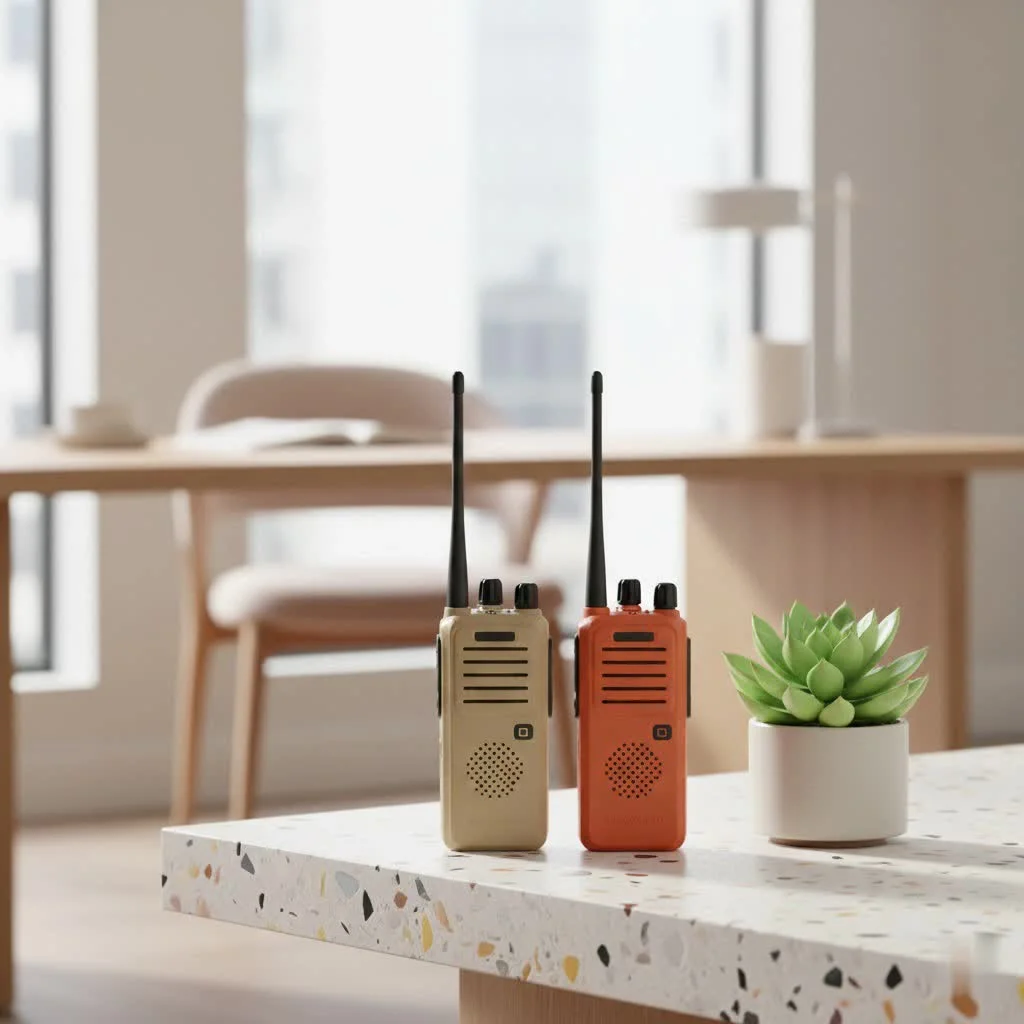
Why Choose Walkie Talkies? More Than Just a Toy
In an age dominated by smartphones, you might wonder why walkie talkies still hold their ground. The answer is simple: unparalleled reliability and cost-efficiency in specific scenarios. They offer instant, group communication without relying on cellular networks, making them indispensable in remote areas, during emergencies, or in environments where phone signals are unreliable or non-existent. For businesses, they provide immediate team coordination, boosting productivity and safety. For outdoor enthusiasts, they’re a lifeline when exploring off-grid. When you see “walkie talkies for sale,” you’re not just buying a gadget; you’re investing in robust, direct communication.
Understanding Your Options: Types of Walkie Talkies for Sale
Before you jump into searching for “walkie talkies for sale,” it’s crucial to understand the different types available, as each serves a unique purpose and comes with its own set of regulations.
FRS (Family Radio Service) Walkie Talkies
These are perhaps the most common type you’ll encounter. FRS radios are low-power, short-range devices perfect for casual use.
- Pros: No license required in the US, generally inexpensive, easy to use, great for families, short-range group activities, or neighborhood communication.
- Cons: Limited range (typically less than 2 miles in real-world conditions), lower power output.
GMRS (General Mobile Radio Service) Walkie Talkies
GMRS radios offer a step up in power and range compared to FRS.
- Pros: Higher power output (up to 50 watts for base stations, 5 watts for portables), longer range, access to repeater channels for extended coverage.
- Cons: Requires a license from the FCC in the US (one license covers your entire immediate family), generally more expensive than FRS. If you’re looking for more robust personal use, GMRS walkie talkies for sale are often a better choice.
Business/Commercial Radios
Designed for professional use, these radios are built to withstand demanding environments and provide dependable communication.
- Pros: Highly durable, excellent audio quality, advanced features (e.g., encryption, dedicated channels), often customizable.
- Cons: Typically more expensive, may require specific business licenses depending on power and frequency use. These are the workhorses you’ll find for “walkie talkies for sale” in construction, security, hospitality, and event management sectors.
Amateur (HAM) Radios
For the dedicated radio enthusiast, HAM radios offer the most flexibility and power, but they come with a steeper learning curve and strict licensing requirements. They are not typically what people mean when they search for “walkie talkies for sale” for general use.
Key Features to Look For When Buying Walkie Talkies
|
Our Picks for the Best Walkie Talkies in 2026
As an Amazon Associate I earn from qualifying purchases.
|
||
| Num | Product | Action |
|---|---|---|
| 1 | Retevis RT22 Two Way Radio Long Range Rechargeable,Portable 2 Way Radio, USB-C Charging, Handsfree Walkie Talkies for Adults Cruise Hiking Camping(4 Pack) |

|
| 2 | Wishouse Walkie Talkies Rechargeable for Kids Adults Long Range,Xmas Birthday Gift for Boys Girls 3 4 5 6 7 8 9 10 Year Old,Hiking Camping Gear Games Ideas Toys with Flashlight,VOX,Easy to Use 4 Pack |
|
| 3 | Walkie Talkies, MOICO Long Range Walkie Talkies for Adults with 22 FRS Channels, Family Walkie Talkie with LED Flashlight VOX LCD Display for Hiking Camping Trip (Orange 2 Pack) |
|
| 4 | LỖI |
|
| 5 | Retevis RT68 Walkie Talkies with Earpiece, Portable FRS Two-Way Radios Rechargeable, with 6 Way Multi Unit Charger, Hands Free, Long Range, Rugged 2 Way Radios 6 Pack for Adults School Church |
|
| 6 | AILOCITAG Kids Video Walkie Talkies, 2 Pack Rechargeable HD Video Walkie Talkie, No WiFi Needed, 1640 ft Outdoor Range, Secure 1-to-1 Channel, 4 Voice Effects for Boys Girls Ages 3–12 |
|
| 7 | Retevis RB48 Waterproof Walkie Talkies, Heavy Duty Two Way Radio, Advanced Triple Proof, Vibration Call, USB-C, SOS,2000mAh, NOAA, 2 Way Radio(2 Pack) Yellow |
|
| 8 | pxton Walkie Talkies Rechargeable Long Range Two-Way Radios with Earpieces,2-Way Radios UHF Handheld Transceiver Walky Talky with Flashlight Li-ion Battery and Charger(2 Pack) |
|
| 9 | Retevis RT22 Walkie Talkies Rechargeable Hands Free 2 Way Radios Two-Way Radio(6 Pack) with 6 Way Multi Gang Charger |
|
| 10 | Retevis RB48 Heavy Duty Waterproof Walkie Talkies, Long Range Rechargeable Two Way Radios, Advanced Triple Proof, Vibration Reminder, for Warehousing Construction Contractor(10 Pack) |
|
Once you know the type of radio you need, it’s time to examine the features that will make your communication experience seamless and effective.
Range and Power: Realistic Expectations
When you see “X-mile range” advertised on walkie talkies for sale, take it with a grain of salt. This figure is often calculated under ideal conditions (e.g., line of sight, no obstructions). In reality, terrain, buildings, and even weather can significantly impact range.
- What affects range? Output power (measured in watts), antenna quality, obstructions (hills, trees, buildings), and atmospheric conditions.
- Tip: For most recreational users, 1-2 miles in urban/forested areas is a reasonable expectation for FRS/GMRS radios. For critical long-range needs, consider GMRS with repeater access or business-grade radios.
Channels and Privacy Codes (CTCSS/DCS)
Walkie talkies operate on specific channels. To avoid hearing conversations from other radio users, many models include privacy codes (often called squelch codes or sub-channels).
- CTCSS (Continuous Tone-Coded Squelch System): An inaudible tone that opens your squelch only when a radio transmitting the same tone is received.
- DCS (Digitally Coded Squelch): A more advanced digital code system offering even more options to filter unwanted transmissions.
- Benefit: These codes don’t make your conversation private, but they filter out transmissions from other groups not using the same code, making your communication clearer.
Battery Life and Charging Options
A dead battery renders your walkie talkie useless. Look for models with:
- Long battery life: Often measured in hours of typical use (e.g., 5% transmit, 5% receive, 90% standby).
- Rechargeable batteries: Lithium-ion packs are common and preferred over AA/AAA disposable batteries for regular use.
- Versatile charging: USB charging, drop-in charging cradles, and car chargers add convenience.
Durability: Built to Last
If you’re using your walkie talkie outdoors or in tough environments, durability is key.
- IP Ratings (Ingress Protection): Look for an IP rating like IP67, which means the radio is dust-tight and can withstand immersion in water up to 1 meter for 30 minutes.
- Rugged design: Features like shock-resistant casing, reinforced buttons, and sturdy belt clips indicate a radio built for abuse.
Ease of Use
For quick deployment and group communication, an intuitive interface is invaluable.
- Clear display: Easy-to-read screen in various lighting conditions.
- Large buttons: Especially useful if wearing gloves.
- Simple controls: Straightforward channel selection and volume adjustments.
VOX (Voice Activated Transmission)
VOX allows you to transmit by simply speaking, without pressing the Push-To-Talk (PTT) button. This is incredibly useful for hands-free operation.
- Ideal for: Activities where your hands are occupied, like climbing, cycling, or operating machinery.
NOAA Weather Alerts
Many FRS/GMRS radios include NOAA weather radio channels, providing real-time alerts for severe weather conditions.
- Safety feature: Essential for outdoor enthusiasts or anyone needing to stay informed about local weather.
Ergonomics and Accessories
Consider how the radio feels in your hand, its weight, and what accessories are available.
- Comfort: Is it easy to hold and operate?
- Headsets/Microphones: Essential for hands-free use or noisy environments.
- Holsters/Clips: For secure carrying.
- Extended antennas: Can sometimes improve range.
Where to Find Walkie Talkies for Sale: Online vs. In-Store
Both online retailers and brick-and-mortar stores offer walkie talkies for sale, each with its own benefits.
- Online: Offers a wider selection, competitive pricing, and user reviews. Great for comparing models and finding specific features. Sites like Amazon, specialized electronics stores, and direct brand websites are good starting points.
- In-Store: Allows you to physically handle the radios, test their ergonomics, and get immediate advice from sales staff. Good for getting a feel for the device before committing.
Oqdos.com is always here as a comprehensive resource for detailed reviews, how-to guides, and expert recommendations, helping you navigate the options for “walkie talkies for sale.”
Making the Smart Choice: Tips from an Oqdos Expert
With so many walkie talkies for sale, making the final decision can still be daunting. Here are my top tips:
- Consider Your Primary Use: Are they for kids’ play, a family camping trip, a construction site, or a survival kit? Your intended use will dictate the features and durability you need.
- Budget Realistically: Prices vary significantly. FRS radios are typically under $50 for a pair, while high-end business or GMRS radios can easily go over $100 per unit, especially if you need advanced features or extreme ruggedness.
- Understand Licensing Requirements: Don’t get caught off guard. Verify if the radios you’re considering require a license, especially for GMRS or business use.
- Read Reviews: Look for reviews from users with similar use cases to yours. Pay attention to comments on real-world range, battery life, and durability.
- Think Long-Term: Will these radios grow with your needs? Investing a little more upfront for better quality or features can save you money and frustration down the line.
“Choosing the right walkie talkie isn’t just about finding a good deal; it’s about matching the device to your specific communication needs and environment. Think of it as investing in reliable connectivity.” – David Oakhart, Senior Radio Communications Specialist at Oqdos.com.
Frequently Asked Questions About Walkie Talkies for Sale
Do I need a license for walkie talkies?
It depends on the type. FRS (Family Radio Service) walkie talkies typically do not require a license in the US. GMRS (General Mobile Radio Service) radios, however, do require an FCC license, which covers your immediate family. Business and amateur radios also have specific licensing requirements.
What’s the real range of a walkie talkie?
The advertised range is often an ideal scenario (line of sight). In real-world conditions, factors like terrain, buildings, and power output reduce the effective range. For FRS/GMRS radios, expect 1-2 miles in urban or forested areas, though it can be more in open fields.
Can walkie talkies communicate with cell phones?
No, standard walkie talkies operate on radio frequencies and cannot directly communicate with cell phones, which use cellular networks. Some advanced push-to-talk over cellular (PoC) devices exist, but they function more like specialized smartphones than traditional walkie talkies.
Are waterproof walkie talkies worth it?
Absolutely, if you plan to use them outdoors or in environments where they might get wet. A good IP rating (e.g., IP67 or IP68) ensures the radio can withstand rain, splashes, or even brief submersion, protecting your investment and ensuring reliable communication in all weather.
How do I extend my walkie talkie’s battery life?
You can extend battery life by reducing transmission time, lowering the power output if the radio has that option, and ensuring the battery is fully charged before use. Using VOX sparingly and avoiding extreme temperatures can also help. Carrying spare battery packs is a good practice.
What’s the difference between FRS and GMRS?
FRS radios are lower power, unlicensed, and suitable for short-range personal use. GMRS radios offer higher power, longer range, and access to repeater channels, but they require an FCC license in the US. Many GMRS radios can also use FRS channels, but with higher power.
Conclusion
Navigating the world of “walkie talkies for sale” doesn’t have to be complicated. By understanding the different types, key features, and your specific needs, you can make an informed decision that ensures reliable and effective communication. to consider your environment, the distance you need to cover, and any licensing requirements. At Oqdos.com, we believe that informed choices lead to better communication experiences. So, take your time, evaluate your options, and confidently select the walkie talkies that will serve you best, keeping you connected wherever your adventures or work may take you.
Frequently Asked Questions
Do I need a license for walkie talkies?
It depends on the type of walkie talkie. FRS (Family Radio Service) walkie talkies typically do not require a license in the US. GMRS (General Mobile Radio Service) radios, however, do require an FCC license, which covers your immediate family, while business and amateur radios have specific licensing requirements.
What is the real-world range of a walkie talkie?
The advertised range is often an ideal scenario, such as line of sight without obstructions. In real-world conditions, factors like terrain, buildings, and power output significantly reduce the effective range. For FRS/GMRS radios, expect 1-2 miles in urban or forested areas, though it can be more in open fields.
Can walkie talkies communicate with cell phones?
No, standard walkie talkies operate on radio frequencies and cannot directly communicate with cell phones, which use cellular networks. Some advanced push-to-talk over cellular (PoC) devices exist, but these function more like specialized smartphones than traditional walkie talkies, relying on cellular data.
Are waterproof walkie talkies a worthwhile investment?
Yes, waterproof walkie talkies are absolutely worth it if you plan to use them outdoors or in environments where they might get wet. A good IP rating, such as IP67 or IP68, ensures the radio can withstand rain, splashes, or even brief submersion up to 1 meter for 30 minutes, protecting your investment and ensuring reliable communication in all weather.
How can I maximize my walkie talkie's battery life?
You can extend battery life by reducing transmission time, lowering the power output if the radio has that option, and ensuring the battery is fully charged before each use. Using VOX sparingly and avoiding extreme temperatures can also help. Carrying spare battery packs is a good practice for extended use.
What are the key differences between FRS and GMRS radios?
FRS radios are lower power, unlicensed, and suitable for short-range personal use, typically under 2 miles. GMRS radios offer higher power (up to 50 watts for base stations, 5 watts for portables), longer range, and access to repeater channels, but they require an FCC license in the US. Many GMRS radios can also utilize FRS channels at higher power.
Get our weekly buyer guide
Practical specs, not advice. Unsubscribe anytime.

I picked up a pair of GMRS radios after reading up on them, and they’ve been fantastic for our family camping trips. The higher power and range really make a difference compared to the old FRS ones we had. Getting the FCC license was straightforward, and now we have reliable communication even deep in the woods where cell service is non-existent. Definitely worth the investment for serious outdoor use.
I got a set of these for a construction site, looking for something durable. While the communication is clear, I was a bit disappointed that they didn’t have an IP67 rating for water and dust resistance. We work in some pretty dusty and occasionally wet conditions, so I have to be extra careful with them. They’re okay, but I’ll probably upgrade to something more rugged next time.
I needed something for instant group communication at our community events, and these business radios are perfect. The ease of use is a huge plus, especially when coordinating volunteers who aren’t tech-savvy. They’ve proven to be incredibly reliable and cost-efficient compared to trying to use cell phones for everyone. A solid choice for any organization needing quick, clear comms.
These walkie talkies are great for keeping track of the kids around the neighborhood. We went with a license-free FRS model, and the 1-2 mile range is perfect for our needs. Battery life has been surprisingly good, lasting through a full day of play. My only minor complaint is that sometimes in really dense areas, the range drops a bit more than I expected, but it’s still very functional.