In the fast-paced world of instant communication, walkie talkies have evolved far beyond simple toys, becoming indispensable tools for adventurers, professionals, and families alike. And when it comes to reliability and convenience, rechargeable walkie talkies are simply the smartest choice, offering a blend of cutting-edge technology and environmental responsibility. If you’ve ever wrestled with disposable batteries or wondered how to get the most out of your two-way radio, you’re in the right place. At Oqdos.com, we’re here to share over 15 years of hands-on experience, helping you navigate the ins and outs of these essential devices.
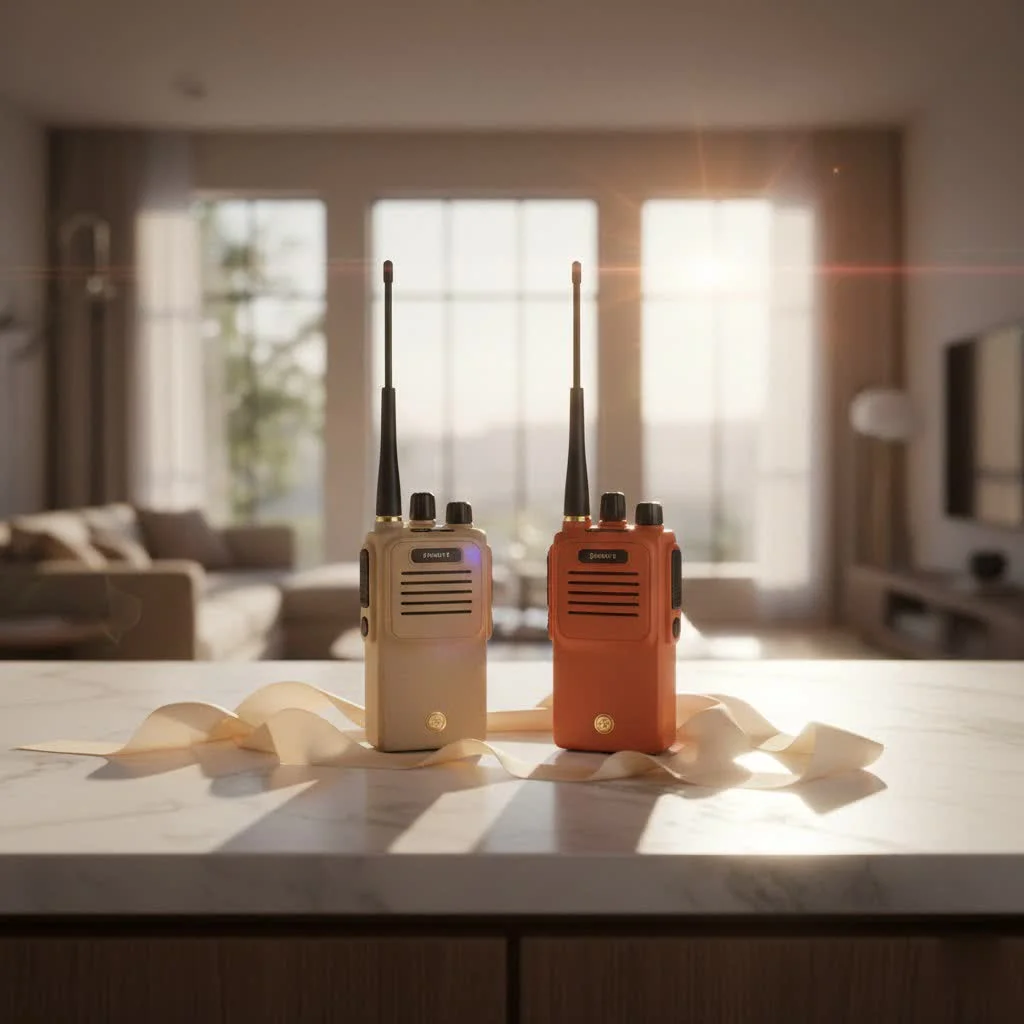
The Undeniable Benefits of Going Rechargeable
Making the switch to rechargeable walkie talkies isn’t just a trend; it’s a practical decision packed with advantages that benefit your wallet, the planet, and your peace of mind.
Cost Savings That Add Up
Let’s face it, constantly buying disposable batteries can be a real drain on your budget. Imagine the savings over months, even years, when you simply recharge your walkie talkies instead of replacing batteries. It’s an investment that pays for itself, especially for heavy users in security, events, or outdoor expeditions.
A Greener Footprint
Every disposable battery we use eventually ends up in a landfill, contributing to environmental waste. By opting for rechargeable models, you significantly reduce your carbon footprint, making a conscious choice to protect our planet. It’s a small step that makes a big difference.
Consistent Performance and Reliability
Rechargeable batteries are designed to deliver consistent power output, which translates to clearer transmissions and more reliable communication when you need it most. They’re engineered for repeated cycles, providing dependable power day in and day out.
Convenient Charging Options
Modern rechargeable walkie talkies come with a variety of convenient charging solutions. Whether it’s a sleek docking station, a versatile USB cable that plugs into a power bank, or even car chargers, keeping your devices powered up has never been easier. This flexibility means you can always find a way to juice up, whether you’re in the wilderness or on a busy job site.
Demystifying Walkie Talkie Battery Types: Powering Your Adventures
Understanding the heart of your rechargeable walkie talkie—its battery—is crucial. Not all batteries are created equal, and knowing the differences can help you make the best choice for your specific needs. The three main types you’ll encounter are Lithium-Ion (Li-ion), Nickel-Metal Hydride (NiMH), and the older Nickel-Cadmium (NiCd).
Lithium-Ion (Li-ion): The Modern Workhorse
Li-ion batteries are the champions of today’s portable electronics, and for good reason. They boast a high energy density, meaning they pack a lot of power into a lightweight, compact form factor, often leading to longer operational times on a single charge. Plus, they don’t suffer from the dreaded “memory effect,” so you can charge them whenever it’s convenient without worrying about degrading their capacity. They’re also more environmentally friendly, free from toxic cadmium.
- Pros: High energy density, lightweight, no memory effect, eco-friendly.
- Cons: Can be more expensive, sensitive to overcharging and extreme temperatures.
Nickel-Metal Hydride (NiMH): The Reliable Veteran
|
Our Picks for the Best Walkie Talkies in 2026
As an Amazon Associate I earn from qualifying purchases.
|
||
| Num | Product | Action |
|---|---|---|
| 1 | pxton Walkie Talkies Rechargeable Long Range Two-Way Radios with Earpieces,2-Way Radios UHF Handheld Transceiver Walky Talky with Flashlight Li-ion Battery and Charger(2 Pack) |

|
| 2 | AILOCITAG Kids Video Walkie Talkies, 2 Pack Rechargeable HD Video Walkie Talkie, No WiFi Needed, 1640 ft Outdoor Range, Secure 1-to-1 Channel, 4 Voice Effects for Boys Girls Ages 3–12 |
|
| 3 | Walkie Talkies, MOICO Long Range Walkie Talkies for Adults with 22 FRS Channels, Family Walkie Talkie with LED Flashlight VOX LCD Display for Hiking Camping Trip (Orange 2 Pack) |
|
| 4 | Retevis RT22 Two Way Radio Long Range Rechargeable,Portable 2 Way Radio, USB-C Charging, Handsfree Walkie Talkies for Adults Cruise Hiking Camping(4 Pack) |
|
| 5 | Retevis RT68 Walkie Talkies with Earpiece, Portable FRS Two-Way Radios Rechargeable, with 6 Way Multi Unit Charger, Hands Free, Long Range, Rugged 2 Way Radios 6 Pack for Adults School Church |
|
| 6 | Retevis RT22 Walkie Talkies Rechargeable Hands Free 2 Way Radios Two-Way Radio(6 Pack) with 6 Way Multi Gang Charger |
|
| 7 | Retevis RB48 Heavy Duty Waterproof Walkie Talkies, Long Range Rechargeable Two Way Radios, Advanced Triple Proof, Vibration Reminder, for Warehousing Construction Contractor(10 Pack) |
|
| 8 | Wishouse Walkie Talkies Rechargeable for Kids Adults Long Range,Xmas Birthday Gift for Boys Girls 3 4 5 6 7 8 9 10 Year Old,Hiking Camping Gear Games Ideas Toys with Flashlight,VOX,Easy to Use 4 Pack |
|
| 9 | LỖI |
|
| 10 | Retevis RB48 Waterproof Walkie Talkies, Heavy Duty Two Way Radio, Advanced Triple Proof, Vibration Call, USB-C, SOS,2000mAh, NOAA, 2 Way Radio(2 Pack) Yellow |
|
NiMH batteries represent a significant improvement over their NiCd predecessors. They offer a higher capacity, which translates to longer usage times, and are less toxic. While they generally don’t have a severe memory effect, some older models might benefit from occasional full discharge cycles to maintain optimal performance. They’re a good choice for a balance of cost and performance.
- Pros: Higher capacity than NiCd, longer usage times, less toxic.
- Cons: Can be heavier, some potential for capacity loss if not fully discharged before recharging (though less than NiCd).
Nickel-Cadmium (NiCd): The Fading Pioneer
Once a popular choice, NiCd batteries are now less common due to their lower energy density and the presence of toxic cadmium. Their most notable drawback is the “memory effect,” where the battery “remembers” its last partial discharge level and then only charges up to that point, reducing overall capacity over time. While they perform well in extreme temperatures, their other limitations have led to their decline in modern walkie talkies.
- Pros: Historically good performance in extreme temperatures.
- Cons: Low energy density, severe memory effect, contains toxic cadmium, less common.
“Choosing the right battery chemistry is like picking the right engine for your vehicle,” explains John Davis, Lead Communication Specialist at Oqdos.com. “Li-ion offers the best blend of power and portability for most users today, but understanding the nuances ensures you match the battery to your communication demands.”
Maximizing Battery Life: Pro Tips from the Field
Even the best rechargeable walkie talkies need a little love to perform at their peak and last for years. Here are my tried-and-true tips, honed over countless field operations, to help you get the absolute most out of your batteries.
Smart Charging Practices
Charging your batteries correctly is foundational to their longevity.
- Use the Right Charger: Always use the original or an approved charger specifically designed for your walkie talkie and its battery chemistry. Using incompatible chargers can damage the battery or even pose safety risks.
- Avoid Overcharging: Don’t leave your fully charged walkie talkie sitting in the charger indefinitely. While many modern chargers have trickle charge functions, continuous charging can still shorten battery life. Remove the device once it’s full.
- Charge at the Right Time (Especially Li-ion): For Li-ion batteries, it’s best to start charging when the battery level drops to around 20-30%, rather than letting it drain completely. This prevents deep discharge, which can stress the battery. However, for new batteries, an initial overnight charge (e.g., 16 hours) is often recommended to “initialize” them to their full capacity.
- Mind the Temperature: Charge your batteries in a moderate environment, typically between 5°C and 40°C (41°F to 104°F). Extreme cold or heat during charging can negatively impact battery life and performance.
- Power Down to Power Up: Always turn off your walkie talkie while it’s charging. This allows the battery to focus solely on charging, rather than simultaneously powering the device.
Optimal Usage Habits
How you use your walkie talkie also plays a significant role in battery longevity.
- Communicate Consciously: The “5-5-90%” cycle is a good rule of thumb: 5% transmitting, 5% receiving, and 90% on standby. The more you transmit, the faster your battery drains. Be mindful of your talk time.
- Disable Unnecessary Features: Features like display illumination, high volume settings, or VOX (Voice Operated Exchange) can consume more power. Turn them off or reduce their intensity when not needed to conserve battery life.
- Keep Contacts Clean: Regularly wipe the battery and charger contacts with a clean, dry cloth to ensure optimal conductivity. Dust and debris can interfere with efficient charging and power transfer.
Storage for Longevity
Proper storage is key, especially if your walkie talkies won’t be used for a while.
- Cool, Dry, and Ventilated: Store your batteries in a cool, dry place, away from direct sunlight and extreme temperatures. An air-conditioned office or a designated gear closet is far better than a hot car dashboard or a freezing garage.
- Partial Charge is Best for Storage: For Li-ion batteries, storing them with a charge of around 40-50% is ideal for long-term preservation. Avoid storing them fully charged or completely depleted for extended periods.
- Periodic Check-Ins: If storing batteries for more than a few months, check their charge periodically (e.g., every three months) and give them a partial recharge to prevent deep discharge.
- Prevent Short Circuits: Always store batteries in a way that prevents metal objects (like keys or jewelry) from accidentally touching the terminals, which could cause a short circuit.
“Think of your walkie talkie battery as a living thing,” advises Sarah Chen, an Oqdos.com field operations expert. “Treat it well with proper charging and storage, and it will serve you faithfully when you need it most. Neglect it, and you’ll find yourself out of juice at the worst possible moment.”
Choosing Your Next Rechargeable Walkie Talkie: What to Look For
With so many options on the market, selecting the right rechargeable walkie talkie can feel overwhelming. Here’s a checklist of what to consider, ensuring you make an informed decision that meets your communication needs.
- Battery Type and Capacity (mAh): Prioritize Li-ion for most modern uses due to its efficiency. Look at the milliamp-hour (mAh) rating – a higher number generally means longer battery life per charge.
- Charging Options: Evaluate how you’ll primarily charge your devices. Do you need a multi-unit gang charger for a team, individual docking stations, or versatile USB charging for on-the-go power banks?
- Durability and Weather Resistance (IP Ratings): If you’re using your walkie talkies outdoors or in challenging environments, look for IP ratings (e.g., IPX4 for splash resistance, IP67 for dustproof and submersible up to 1 meter). Shockproof features are also a plus.
- Range and Clarity: Be realistic about range claims. While manufacturers might advertise “up to 35 miles,” real-world conditions (buildings, trees, terrain) significantly reduce this to 1-5 miles for most FRS/GMRS radios. Prioritize clear audio over theoretical maximum range.
- Essential Features: Consider features like VOX (Voice Activated Transmission) for hands-free operation, NOAA weather alerts for outdoor safety, multiple channels, and privacy codes to reduce interference.
- Dual Power Capability: Some excellent models offer the flexibility to use both rechargeable battery packs and standard disposable AA/AAA batteries as a backup, which can be a lifesaver in prolonged off-grid situations.
Frequently Asked Questions
How long do rechargeable walkie talkie batteries last per charge?
On average, most rechargeable walkie talkies will provide enough power for an 8-hour shift under “normal” use (the 5-5-90% cycle: 5% transmit, 5% receive, 90% standby). However, some high-end or professional models with efficient Li-ion batteries can last for several days on a single charge.
Can I use a regular USB charger for my walkie talkie?
Many modern rechargeable walkie talkies are designed with USB charging capabilities, allowing you to use standard USB wall adapters, car chargers, or power banks. However, always check your specific model’s manual to ensure compatibility and avoid potential damage.
What is the “memory effect” and how do I avoid it?
The “memory effect” primarily affects older Nickel-Cadmium (NiCd) batteries. It means the battery “remembers” its last partial discharge level and then only charges up to that point in subsequent charges, effectively reducing its usable capacity. To avoid it with NiCd, you needed to fully discharge the battery before recharging. Fortunately, modern Lithium-Ion (Li-ion) batteries are virtually immune to this effect.
How often should I replace my rechargeable walkie talkie battery?
Even with optimal care, rechargeable batteries have a finite lifespan. On average, a well-maintained rechargeable battery for a walkie talkie will last about 18 to 24 months of regular use, or around 300-500 charge cycles, before its capacity significantly degrades. Signs it’s time for a new battery include significantly shorter operating times or failure to hold a charge.
Is it okay to leave my walkie talkie on the charger all the time?
It’s generally not recommended to leave your rechargeable walkie talkie on the charger constantly, even if the charger has a trickle charge function. While modern batteries and chargers are more forgiving, continuous charging can still shorten the overall lifespan of the battery. It’s best to remove the walkie talkie once it’s fully charged.
Your Connection, Amplified and Sustained
In a world where staying connected is paramount, rechargeable walkie talkies offer a reliable, cost-effective, and environmentally conscious solution. By understanding the different battery types, adopting smart charging habits, and practicing diligent maintenance, you’re not just buying a device; you’re investing in consistent communication and extended operational readiness. Whether you’re coordinating an event, exploring the backcountry, or simply keeping tabs on family, the right rechargeable walkie talkie, properly cared for, will be your steadfast companion. Embrace the power of sustained connection, and let Oqdos.com be your guide to mastering the art of two-way radio communication.
Get our weekly buyer guide
Practical specs, not advice. Unsubscribe anytime.