Imagine yourself deep in the wilderness, miles from the nearest outlet, or in the midst of an emergency where the grid has gone silent. How do you stay connected? This isn’t just a hypothetical scenario for outdoor enthusiasts, emergency responders, or anyone seeking reliable communication off the beaten path. This is precisely where solar powered walkie talkies shine, offering an indispensable lifeline when conventional power sources are a distant memory. These innovative devices leverage the sun’s energy, providing a sustainable and robust solution for staying in touch, no matter how remote your location.
What Exactly Are Solar Powered Walkie Talkies?
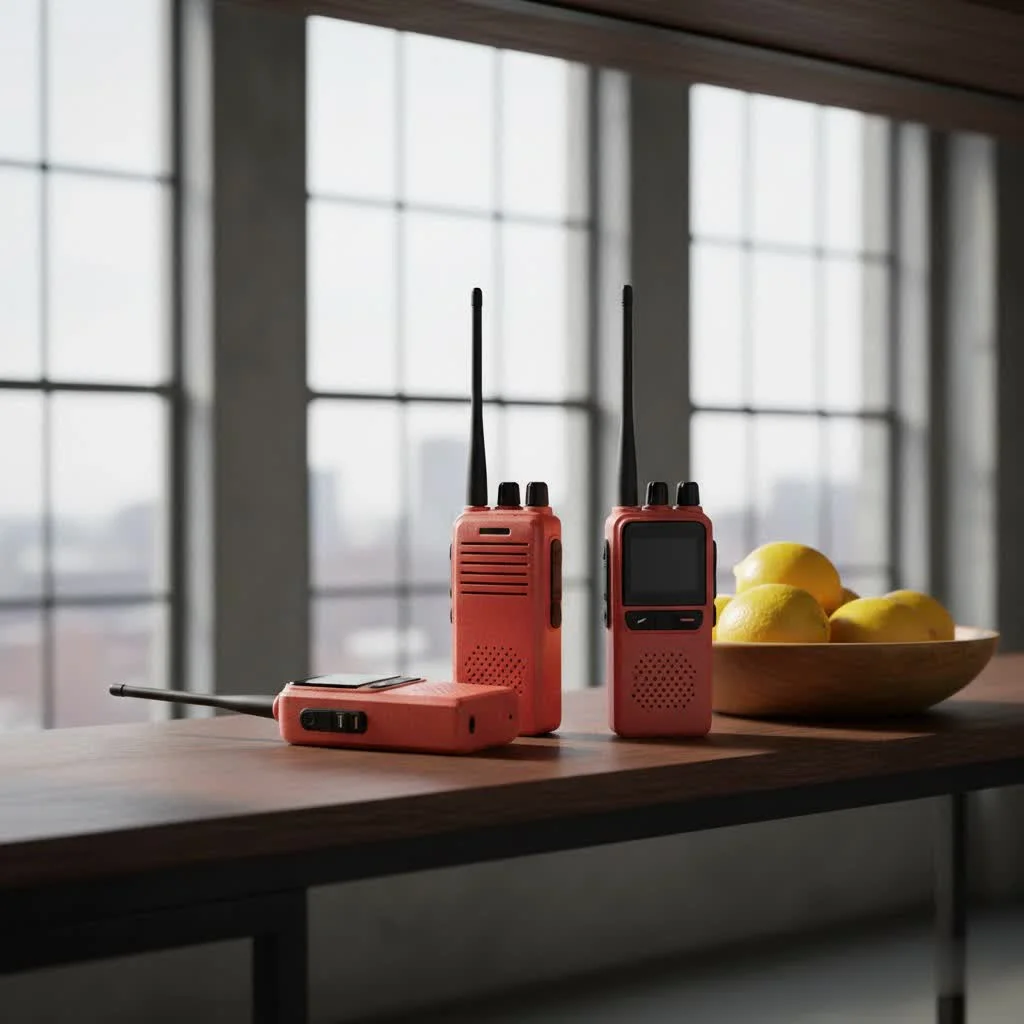
At their core, solar powered walkie talkies are two-way radio devices equipped with the ability to harness solar energy to recharge their internal batteries. This crucial feature sets them apart from standard walkie talkies, which rely solely on wall chargers, car adapters, or disposable batteries. They often feature small, integrated solar panels that convert sunlight directly into electrical energy. In some cases, the “solar powered” aspect refers to walkie talkies that can be charged via an external solar power bank, making them part of a broader solar-powered communication ecosystem. This flexibility ensures your device remains operational, even during extended periods away from traditional power sources.
Why Go Solar? The Unbeatable Advantages of Sun-Powered Communication
Opting for a solar powered walkie talkie isn’t just a trend; it’s a strategic choice for anyone prioritizing reliability and self-sufficiency. The advantages are clear and compelling:
- Uninterrupted Off-Grid Power: This is perhaps the most significant benefit. When you’re camping, hiking, hunting, or navigating through areas without electricity, the sun becomes your personal power station. Your communication device won’t die on you simply because you forgot a charging cable or ran out of spare batteries.
- Emergency Preparedness: In scenarios like power outages, natural disasters, or remote search and rescue operations, traditional communication networks can fail. A solar powered two-way radio ensures you have a reliable way to communicate with your group, coordinate efforts, or call for help, even when everything else goes dark.
- Environmental Friendliness: Harnessing solar energy is a sustainable practice. By reducing reliance on fossil fuel-generated electricity for charging and minimizing the use of disposable batteries, you’re making an eco-conscious choice that lessens your carbon footprint.
- Long-Term Cost Savings: While the initial investment might be slightly higher than a basic walkie talkie, the long-term savings are substantial. You’ll spend less on batteries and won’t have to worry about replacing power packs that have reached the end of their charging cycles, as the sun’s energy is free and abundant.
- Multi-functional Utility: Many solar-powered walkie talkies are designed as survival hubs. They often come integrated with additional features like powerful flashlights, accurate compasses, AM/FM/NOAA weather band radios for critical updates, and even power bank functionality to charge other small USB devices. They’re more than just radios; they’re essential survival tools.
Key Features to Look For in Your Solar Companion
Choosing the right solar powered walkie talkie means understanding what truly matters for your specific needs. Here’s a breakdown of crucial features:
How efficient is the solar charging?
|
Our Picks for the Best Walkie Talkies in 2026
As an Amazon Associate I earn from qualifying purchases.
|
||
| Num | Product | Action |
|---|---|---|
| 1 | Retevis RT68 Walkie Talkies with Earpiece, Portable FRS Two-Way Radios Rechargeable, with 6 Way Multi Unit Charger, Hands Free, Long Range, Rugged 2 Way Radios 6 Pack for Adults School Church |

|
| 2 | AILOCITAG Kids Video Walkie Talkies, 2 Pack Rechargeable HD Video Walkie Talkie, No WiFi Needed, 1640 ft Outdoor Range, Secure 1-to-1 Channel, 4 Voice Effects for Boys Girls Ages 3–12 |
|
| 3 | Walkie Talkies, MOICO Long Range Walkie Talkies for Adults with 22 FRS Channels, Family Walkie Talkie with LED Flashlight VOX LCD Display for Hiking Camping Trip (Orange 2 Pack) |
|
| 4 | LỖI |
|
| 5 | Wishouse Walkie Talkies Rechargeable for Kids Adults Long Range,Xmas Birthday Gift for Boys Girls 3 4 5 6 7 8 9 10 Year Old,Hiking Camping Gear Games Ideas Toys with Flashlight,VOX,Easy to Use 4 Pack |
|
| 6 | Retevis RT22 Two Way Radio Long Range Rechargeable,Portable 2 Way Radio, USB-C Charging, Handsfree Walkie Talkies for Adults Cruise Hiking Camping(4 Pack) |
|
| 7 | pxton Walkie Talkies Rechargeable Long Range Two-Way Radios with Earpieces,2-Way Radios UHF Handheld Transceiver Walky Talky with Flashlight Li-ion Battery and Charger(2 Pack) |
|
| 8 | Retevis RT22 Walkie Talkies Rechargeable Hands Free 2 Way Radios Two-Way Radio(6 Pack) with 6 Way Multi Gang Charger |
|
| 9 | Retevis RB48 Heavy Duty Waterproof Walkie Talkies, Long Range Rechargeable Two Way Radios, Advanced Triple Proof, Vibration Reminder, for Warehousing Construction Contractor(10 Pack) |
|
| 10 | Retevis RB48 Waterproof Walkie Talkies, Heavy Duty Two Way Radio, Advanced Triple Proof, Vibration Call, USB-C, SOS,2000mAh, NOAA, 2 Way Radio(2 Pack) Yellow |
|
Look for devices with larger, more efficient solar panels that can quickly top up the battery, even under less-than-ideal sunlight conditions. Some models integrate advanced charging circuits to optimize power intake.
What about battery capacity and endurance?
A high-capacity internal battery is vital. Even with solar charging, you’ll need a robust battery that can sustain operation through cloudy periods or during nighttime use. Check for advertised talk time and standby time.
What range and channels does it offer?
The primary purpose is communication. Ensure the device offers sufficient range for your intended use (e.g., a few miles for hiking, more for open terrain) and enough channels to avoid interference with other users.
Is it durable and weather-resistant?
Outdoor and emergency use demand ruggedness. Look for an IP (Ingress Protection) rating that indicates resistance to water, dust, and impacts. A walkie talkie that can withstand drops, splashes, and grime will be a reliable companion.
What additional survival features are integrated?
Beyond communication, these devices often pack extra punches. A bright LED flashlight, a reliable compass for navigation, an SOS alarm, and NOAA weather alerts are invaluable. Power bank functionality, allowing you to charge your phone or other USB devices from the walkie talkie’s battery, is a game-changer in an emergency.
Is it ergonomic and portable?
Consider the size and weight. A device that’s easy to hold, operate with one hand, and won’t weigh you down during extended adventures is always preferable.
Who Benefits Most from Solar Powered Walkie Talkies?
The versatility and reliability of solar powered walkie talkies make them indispensable for a wide array of users:
- Outdoor Enthusiasts: Hikers, campers, backpackers, hunters, and kayakers can maintain contact with their group without worrying about battery life.
- Emergency Responders & Search & Rescue Teams: These professionals require fail-safe communication in critical situations where infrastructure might be compromised.
- Preppers and Survivalists: For those building emergency kits, a solar-charged communication device is a cornerstone of self-reliance.
- Families in Prone Areas: Living in regions susceptible to power outages or natural disasters, these radios provide peace of mind and a means to coordinate with loved ones.
- Event Organizers: When setting up events in remote areas or large outdoor venues, they offer dependable team communication.
Choosing Your Perfect Solar Companion
With several options on the market, how do you pick the right one?
- Assess Your Primary Use Case: Are you a casual camper, a serious mountaineer, or building an emergency kit? Your answer will guide the feature set you need.
- Consider Desired Range and Features: If you need to communicate across vast distances, prioritize models with higher power output and effective antennas. For multi-functional needs, ensure it has the extra features you value.
- Evaluate Battery Life vs. Solar Recharge Time: A good balance here means you won’t be constantly waiting for a charge.
- Read Reviews and Choose Reputable Brands: Brands known for their walkie talkie technology often integrate solar charging effectively. User reviews can highlight real-world performance.
As Sarah Miller, a seasoned survival expert and Oqdos.com contributor, often advises, “In any off-grid scenario, your communication device is only as good as its power source. Solar integration provides that indispensable reliability.” Trust in tried-and-tested equipment.
Keeping Your Solar Powered Walkie Talkie in Top Shape
To ensure your solar-powered walkie talkie serves you faithfully for years to come, a little maintenance goes a long way:
- Keep Solar Panels Clean: Dust, dirt, and smudges can significantly reduce charging efficiency. A quick wipe with a soft, damp cloth is usually all it takes.
- Store Properly: When not in use, store your device in a cool, dry place, away from direct sunlight, to prevent battery degradation and material wear.
- Regular Battery Cycling: If your device has a removable battery, occasionally letting it fully discharge and then recharging it can help maintain battery health, though modern lithium-ion batteries are less prone to “memory effect.”
- Check for Firmware Updates: For more advanced models, manufacturers might release firmware updates that improve performance or add features.
FAQs About Solar Powered Walkie Talkies
What is a solar powered walkie talkie?
A solar powered walkie talkie is a two-way radio equipped with a solar panel or designed to be charged by solar energy, allowing it to operate continuously without traditional electrical outlets.
How do solar walkie talkies work?
They convert sunlight into electrical energy via integrated solar panels, which then recharges an internal battery, providing power for the radio’s communication and other functions.
Are solar powered walkie talkies reliable in emergencies?
Absolutely. Their ability to recharge independently makes them exceptionally reliable in emergencies like power outages or natural disasters when traditional charging options are unavailable.
What is the typical range of a solar walkie talkie?
The range varies depending on the model and terrain, typically from 1 to 35 miles. Urban areas reduce range, while open fields or water offer maximum distance.
Can a solar walkie talkie charge other devices?
Many advanced solar powered walkie talkies come with a power bank feature, allowing them to charge small USB devices like smartphones or GPS units in an emergency.
Are these devices waterproof or rugged?
Many models designed for outdoor and emergency use feature rugged, durable casings and IP ratings for water and dust resistance, making them suitable for harsh environments.
How long does it take to charge a solar walkie talkie using sunlight?
Charging time depends on the panel size, battery capacity, and sunlight intensity, but typically a full charge can take several hours in direct sunlight.
The Future is Bright (and Connected) with Solar Powered Walkie Talkies
In a world where connectivity is key, and unforeseen circumstances can quickly sever traditional ties, solar powered walkie talkies offer an unparalleled sense of security and independence. They are more than just gadgets; they are robust communication hubs that harness the power of the sun to keep you connected, informed, and safe. Whether you’re planning your next wilderness excursion or bolstering your emergency preparedness kit, integrating a solar-charged two-way radio into your gear is a smart, sustainable, and utterly essential choice. Equip yourself with the power of the sun, and embark on your adventures with confidence, knowing reliable communication is always within reach.
Get our weekly buyer guide
Practical specs, not advice. Unsubscribe anytime.