Ever found yourself in a situation where your cell phone turns into a fancy paperweight, leaving you disconnected precisely when communication is paramount? Perhaps you’re coordinating a sprawling event, navigating rugged backcountry trails, or managing a busy construction site. This is where high-powered walkie talkies step in, offering a robust and reliable communication lifeline that consumer-grade devices simply can’t match. They’re more than just gadgets; they’re essential tools for safety, efficiency, and seamless coordination.
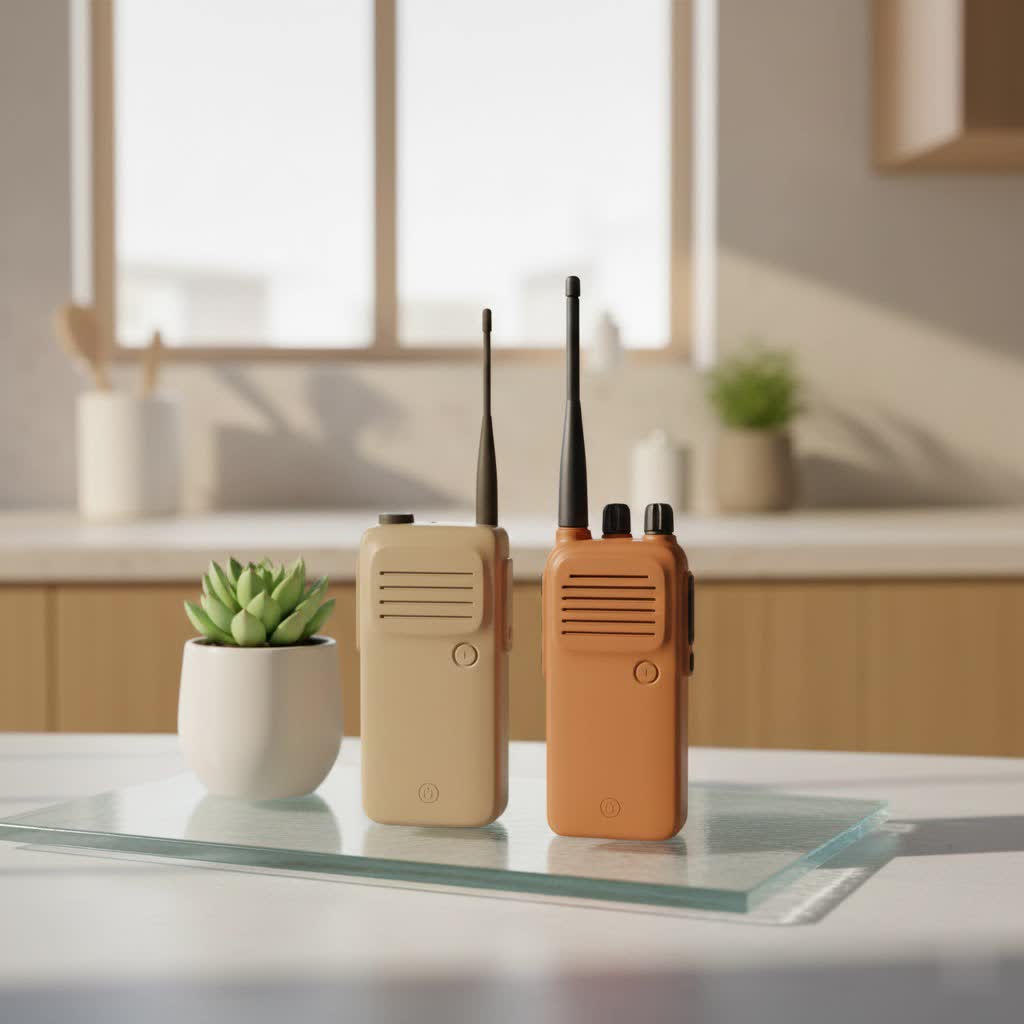
But what exactly makes a walkie talkie “high-powered,” and why should you consider one? As an expert with over 15 years in the field and a content creator for Oqdos.com, I’ve seen countless scenarios where the right two-way radio made all the difference. This guide will cut through the jargon, helping you understand the capabilities, licensing nuances, and critical features of these powerful communication devices, ensuring you make an informed choice for your specific needs.
What Makes a Walkie Talkie “High-Powered”? Understanding Wattage
When we talk about high-powered walkie talkies, we’re primarily referring to their wattage – the measurement of the radio’s output power when transmitting a signal. Think of it like the horsepower of an engine: more watts generally mean a stronger signal that can travel farther and push through more obstacles.
For most handheld walkie talkies, the power output typically ranges from 0.5 watts (W) to 5W. While even a 0.5W radio can be useful for very short distances, the “high-powered” designation usually kicks in around the 3W to 5W mark for portable handheld units. These levels offer a significant boost over the common 0.5W Family Radio Service (FRS) radios you might pick up for casual use.
It’s crucial to distinguish between “consistent operating power” and “peak wattage.” Some manufacturers might advertise a high peak wattage, but it’s the consistent power output that truly dictates real-world performance. A radio consistently operating at 3 watts will often outperform a unit advertised with a 5-watt peak if its consistent output is lower.
Beyond handhelds, you’ll find mobile radios (mounted in vehicles) and base stations that can transmit at much higher wattages, sometimes up to 100 watts. These are designed for vast open terrains or complex operations requiring extreme range and are in a different league entirely. However, for most users seeking a portable yet powerful solution, the 3W-5W handhelds are the sweet spot.
The Power of Distance: How Wattage Impacts Range and Signal Penetration
The primary advantage of high-powered walkie talkies is their extended range and improved ability to penetrate obstacles. While advertised “up to X miles” ranges often represent ideal, unobstructed conditions that rarely exist in the real world, higher wattage undeniably translates to greater practical communication distances.
Here’s a general rule of thumb for handheld radios:
- 1-watt radios: Typically offer around 1 mile of coverage in obstructed areas, but can reach up to 10 miles from a high vantage point with a clear line of sight.
- 2-watt radios: Can extend coverage to about 1.5 miles in obstructed areas, suitable for communication between buildings or up to 2 miles outdoors.
- 3-watt radios: Often provide effective communication over 2 miles in obstructed environments or between 3-5 kilometers (1.8-3.1 miles) in more open outdoor settings, perfect for large event areas or outdoor activities.
- 4-5 watt radios: These push the boundaries further, covering approximately 2.5-3 miles in obstructed areas, spanning 350,000 square feet or 30 floors indoors, and reaching 8-10 kilometers (5-6 miles) in wide-open countryside.
The type of frequency band also plays a significant role. Very High Frequency (VHF) radios excel in open, outdoor environments where signals can travel farther without obstruction. Ultra High Frequency (UHF) radios, on the other hand, are superior at penetrating buildings, walls, and other dense obstacles, making them the preferred choice for urban settings, indoor use, or heavily wooded areas. Remember, VHF and UHF radios operate on different bands and generally cannot communicate with each other.
For those truly pushing the limits, especially across vast distances or extremely challenging terrains, external repeaters can be integrated into your system. A repeater receives your radio’s signal and re-transmits it at a higher power or from a better vantage point, extending your communication range by three to five times, potentially achieving 20-30 miles or more in optimal conditions.
Navigating the Airwaves: Licensing and Regulations for High-Powered Walkie Talkies
One of the most critical aspects of owning and operating high-powered walkie talkies is understanding the associated licensing requirements. In the United States, the Federal Communications Commission (FCC) regulates radio frequencies to prevent interference and ensure proper usage. Operating without the correct license can lead to significant penalties, so it’s vital to get this right.
Here’s a breakdown of common radio services and their licensing implications:
- Family Radio Service (FRS): These are the most common consumer-grade walkie talkies. They operate at a maximum of 0.5 to 2 watts and do not require a license for personal use. They are suitable for short-range, casual communication.
- General Mobile Radio Service (GMRS): This is often the go-to for individuals and families seeking more power and range. While GMRS radios can technically be purchased without a license, operating them at powers above 2 watts requires an FCC license. The good news? Obtaining a GMRS license is straightforward, costs around $35, is valid for ten years, and covers you and your immediate family members. No exam is required.
- Business Band / Land Mobile Radio (LMR): Designed for professional and commercial applications, these radios often operate at higher power levels and on specific frequencies allocated for business use. They typically require a specific business license from the FCC, which often involves frequency coordination to avoid interference with other businesses.
- Multi-Use Radio Service (MURS): MURS radios operate on specific VHF frequencies at 2 watts or less and do not require a license. They offer an alternative for license-free communication, though with specific frequency and power limitations.
- Citizens Band (CB): CB radios also do not require a license and can operate up to 4 watts on 40 specific channels. While popular for road trips and certain commercial uses, they can experience significant interference due to the limited number of channels.
- Amateur (HAM) Radio: For radio enthusiasts and those seeking maximum flexibility in frequencies and power, Amateur (HAM) radio is an option. However, it requires passing an exam to obtain an operator’s license, classifying you based on your knowledge and skill.
The FCC’s role is to ensure organized use of the airwaves, minimizing overlap and interference. By understanding and complying with these regulations, you ensure your communications remain private, effective, and legal.
Beyond the Watts: Essential Features of High-Powered Walkie Talkies
While wattage dictates the raw power and potential range, a truly effective high-powered walkie talkie is a sum of its parts. Several other features contribute to its performance, durability, and usability in demanding environments.
- Durability and Weatherproofing: For outdoor adventurers, emergency responders, and construction crews, a radio needs to withstand the elements. Look for an IP (Ingress Protection) rating, such as IP67, which indicates it’s dust-tight and can withstand immersion in water up to 1 meter for 30 minutes. Ruggedized designs that can handle drops and impacts are also crucial.
- Battery Life and Management: Higher power consumption means faster battery drain. Look for models with long-lasting, rechargeable lithium-ion batteries. Features like low-battery indicators, power-saving modes, and the option to use standard AAA batteries as a backup can be lifesavers when off-grid. A well-managed battery can last anywhere from 6 hours to several days, depending on usage.
- Channels and Privacy Codes: More channels provide flexibility, while privacy codes (DCS/CTCSS) help filter out unwanted chatter, ensuring your conversations remain private and clear amidst other radio users on the same frequency.
- Voice-Activated Transmission (VOX): This hands-free feature allows you to transmit by simply speaking, ideal when your hands are busy, such as biking, climbing, or operating equipment.
- NOAA Weather Alerts: For outdoor enthusiasts, integrated NOAA weather alerts can provide timely warnings of severe weather, a critical safety feature.
- Digital vs. Analog: While many high-powered walkie talkies are analog, digital radios offer superior audio clarity, better privacy, and advanced features like individual and group calling, even at the edges of their range where analog signals might become garbled. Many professional-grade radios offer both digital and analog compatibility.
- Ergonomics and Portability: A powerful radio shouldn’t be a burden. Consider its weight, size, and how easily it can be clipped to a pack or harness, especially if you’ll be carrying it for extended periods.
“Choosing a high-powered walkie talkie isn’t just about raw watts; it’s about matching the complete feature set to your operational environment,” advises Alex Thorne, Lead Communication Strategist at Oqdos.com. “A durable, long-lasting battery with clear audio in adverse conditions can be more impactful than just having the highest advertised wattage.”
Who Benefits Most from High-Powered Walkie Talkies?
The versatility and reliability of high-powered walkie talkies make them indispensable tools across a wide spectrum of users and industries:
- Emergency & Rescue Teams: For search and rescue operations, disaster relief, and wilderness emergencies, where cellular networks are often non-existent or overloaded, these radios are critical for coordinating efforts and ensuring safety.
- Outdoor Adventurers: Hikers, hunters, campers, mountaineers, and off-roaders (like Jeep and overland enthusiasts) rely on them to stay connected in remote areas, navigate challenging terrains, and ensure group safety.
- Construction & Industrial Sites: Managing teams across large construction zones, factory floors, or port operations requires robust communication to maintain safety, coordinate tasks, and improve efficiency, often battling significant ambient noise and structural interference.
- Event Management & Security: From large music festivals to corporate gatherings, event organizers and security personnel use high-powered radios to manage logistics, respond to incidents, and maintain crowd control across expansive venues.
- Remote Work Teams: In industries like agriculture, forestry, or utilities, where teams operate over wide geographical areas without stable infrastructure, these radios provide essential team connectivity.
Choosing Your High-Powered Companion: Expert Tips from Oqdos.com
Selecting the perfect high-powered walkie talkie can feel overwhelming, but with a structured approach, you’ll find the right fit. Here are my expert tips:
- Assess Your Environment: Are you primarily operating in open, flat terrain (VHF might be better)? Or are you in an urban jungle, dense forests, or within large buildings (UHF is likely your champion)?
- Consider Your Team Size and Communication Needs: How many people need to communicate? Do you need group calls, individual calls, or just general broadcast? This will influence the number of channels and features you prioritize.
- Prioritize Features Based on Use Case: If you’re near water, waterproofing is non-negotiable. If you’re on a long trek, battery life and NOAA alerts are key. For noisy environments, look for clear audio and robust speaker output.
- Understand and Obtain Necessary Licenses: For GMRS or Business Band radios, make sure you complete the FCC licensing process. It’s often simpler than you think and essential for legal operation.
- Don’t Forget the Accessories: A good quality antenna can significantly impact range. Headsets improve privacy and clarity in loud environments, and spare batteries or portable chargers ensure continuous operation.
Investing in a high-powered walkie talkie is an investment in reliable communication. By understanding their capabilities, adhering to regulations, and choosing features tailored to your specific demands, you’ll equip yourself with a dependable tool that keeps you connected, safe, and efficient, no matter where your adventures or work takes you.
Frequently Asked Questions
1. What is considered a high-powered walkie talkie?
|
Our Picks for the Best Walkie Talkies in 2026
As an Amazon Associate I earn from qualifying purchases.
|
||
| Num | Product | Action |
|---|---|---|
| 1 | pxton Walkie Talkies Rechargeable Long Range Two-Way Radios with Earpieces,2-Way Radios UHF Handheld Transceiver Walky Talky with Flashlight Li-ion Battery and Charger(2 Pack) |

|
| 2 | Wishouse Walkie Talkies Rechargeable for Kids Adults Long Range,Xmas Birthday Gift for Boys Girls 3 4 5 6 7 8 9 10 Year Old,Hiking Camping Gear Games Ideas Toys with Flashlight,VOX,Easy to Use 4 Pack |
|
| 3 | Retevis RT22 Walkie Talkies Rechargeable Hands Free 2 Way Radios Two-Way Radio(6 Pack) with 6 Way Multi Gang Charger |
|
| 4 | Retevis RB48 Waterproof Walkie Talkies, Heavy Duty Two Way Radio, Advanced Triple Proof, Vibration Call, USB-C, SOS,2000mAh, NOAA, 2 Way Radio(2 Pack) Yellow |
|
| 5 | AILOCITAG Kids Video Walkie Talkies, 2 Pack Rechargeable HD Video Walkie Talkie, No WiFi Needed, 1640 ft Outdoor Range, Secure 1-to-1 Channel, 4 Voice Effects for Boys Girls Ages 3–12 |
|
| 6 | LỖI |
|
| 7 | Walkie Talkies, MOICO Long Range Walkie Talkies for Adults with 22 FRS Channels, Family Walkie Talkie with LED Flashlight VOX LCD Display for Hiking Camping Trip (Orange 2 Pack) |
|
| 8 | Retevis RB48 Heavy Duty Waterproof Walkie Talkies, Long Range Rechargeable Two Way Radios, Advanced Triple Proof, Vibration Reminder, for Warehousing Construction Contractor(10 Pack) |
|
| 9 | Retevis RT22 Two Way Radio Long Range Rechargeable,Portable 2 Way Radio, USB-C Charging, Handsfree Walkie Talkies for Adults Cruise Hiking Camping(4 Pack) |
|
| 10 | Retevis RT68 Walkie Talkies with Earpiece, Portable FRS Two-Way Radios Rechargeable, with 6 Way Multi Unit Charger, Hands Free, Long Range, Rugged 2 Way Radios 6 Pack for Adults School Church |
|
For handheld devices, a walkie talkie is typically considered high-powered if it has a consistent output of 3 to 5 watts. Mobile or base station units can have much higher wattages, sometimes up to 100 watts, designed for greater range and specific professional applications.
2. How far can a 5-watt walkie talkie communicate?
In ideal, unobstructed conditions, a 5-watt walkie talkie might achieve several miles of communication. In real-world scenarios with buildings, trees, or varied terrain, you can typically expect 2.5 to 3 miles in obstructed areas, or 5 to 6 miles in very open countryside. Factors like antenna quality and frequency band (UHF vs. VHF) also significantly influence actual range.
3. Do I need a license for high-powered walkie talkies?
Yes, for most high-powered walkie talkies in the 3-5 watt range, especially those operating on General Mobile Radio Service (GMRS) frequencies, an FCC license is required in the United States. This license is generally inexpensive, valid for ten years, and covers you and your immediate family members. License-free options like FRS (0.5-2 watts) and MURS (2 watts) exist but have lower power outputs.
4. What’s the difference between FRS and GMRS radios?
FRS (Family Radio Service) radios are license-free and typically operate at 0.5 to 2 watts, suitable for short-range casual use. GMRS (General Mobile Radio Service) radios offer higher power outputs (up to 50 watts, though handhelds are usually 5W) and require an FCC license for operation. GMRS generally provides better range and signal penetration than FRS.
5. How do obstacles affect walkie talkie range?
Obstacles like buildings, hills, dense foliage, and even heavy rain can significantly reduce a walkie talkie’s range. UHF frequencies are generally better at penetrating solid objects but have a shorter range in open areas compared to VHF frequencies, which thrive in line-of-sight conditions over open terrain.
6. Can high-powered walkie talkies talk to lower-powered ones?
Yes, high-powered walkie talkies can generally communicate with lower-powered ones, provided they are operating on the same frequency band (VHF to VHF, or UHF to UHF) and channel. However, the communication range will be limited by the weaker radio’s signal, meaning the lower-powered unit may not be able to transmit back effectively over longer distances.
7. What features should I look for in a durable high-powered walkie talkie?
For durability, look for an IP rating of IP67 or higher, indicating strong resistance to dust and water. A ruggedized casing that can withstand drops and impacts is also essential. Other key features include long-lasting rechargeable batteries, clear audio output, a wide range of channels, and potentially NOAA weather alerts for outdoor use.
