In the fast-paced world of business, clear and reliable communication isn’t just a convenience; it’s the backbone of efficient operations, safety, and productivity. While smartphones dominate personal interaction, when it comes to instant, group-wide communication in challenging environments, nothing beats the robust power of Commercial Walkie Talkies. As a seasoned expert with over 15 years in the field and the lead content creator for Oqdos.com, I’ve seen firsthand how these devices transform everything from bustling construction sites to seamless event management. Forget the toy walkie talkies from your childhood; we’re talking about sophisticated two-way radios engineered for demanding professional use.
What Exactly Are Commercial Walkie Talkies?
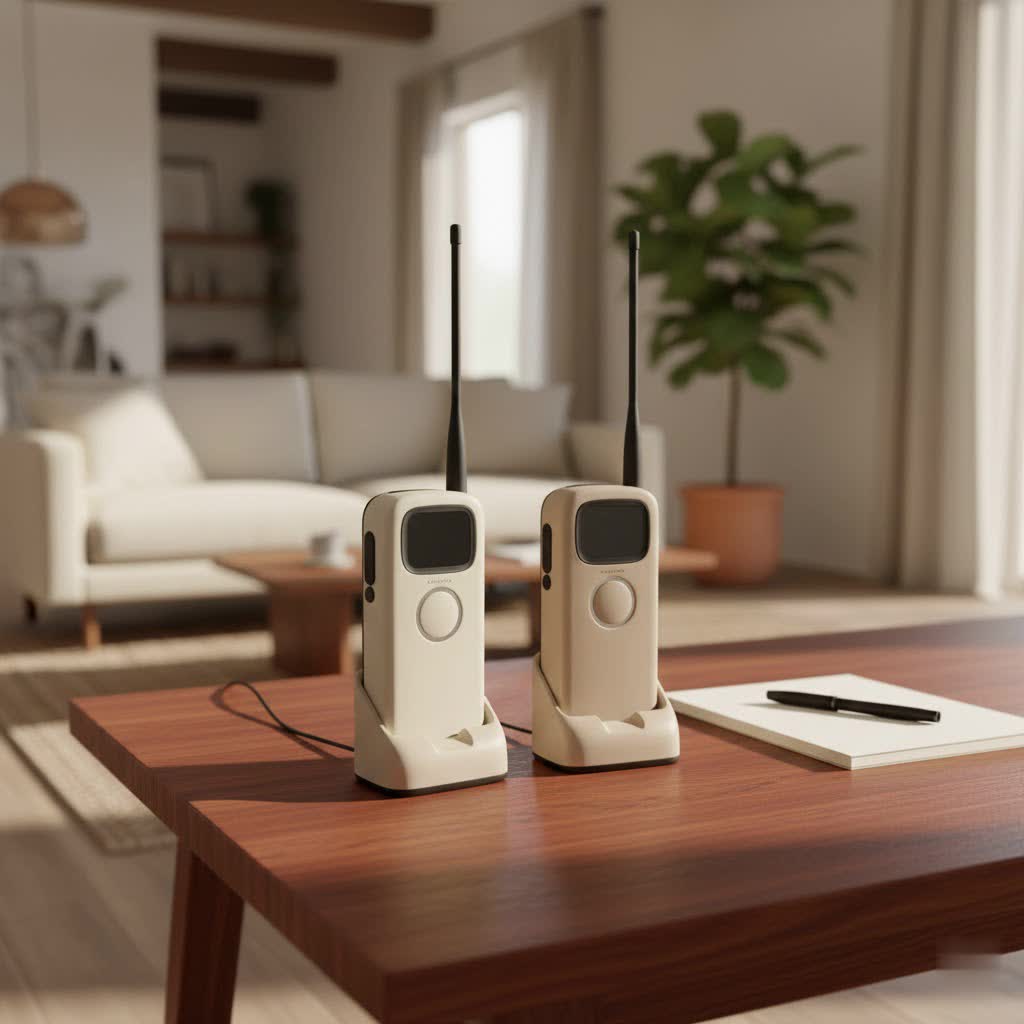
At their core, commercial walkie talkies are rugged, purpose-built radio transceivers designed for professional use across various industries. Unlike their consumer-grade cousins, these devices are engineered for superior performance, durability, and security, ensuring your team stays connected when it matters most. They operate on dedicated frequencies, often requiring licensing, which provides clearer channels and reduced interference, making them indispensable for critical communications.
Beyond the Consumer Grade: Key Differentiators
The distinction between a casual walkie talkie and a commercial-grade unit is vast. Commercial models boast:
- Enhanced Durability: Built to withstand drops, dust, water, and extreme temperatures, often with military-standard (MIL-STD) ratings and high IP (Ingress Protection) codes.
- Superior Range and Power: Operating with higher power outputs (typically 2-5 watts), they offer significantly greater range and penetration through obstacles compared to low-power consumer units.
- Advanced Features: From noise cancellation and encryption to GPS tracking, man-down alerts, and lone worker functions, these radios are packed with features vital for professional environments.
- Crystal-Clear Audio: Designed with high-quality speakers and microphones, often incorporating advanced noise reduction technology, to ensure every message is heard clearly, even in noisy surroundings.
- Better Battery Life: Commercial units are built for long shifts, with batteries often lasting 12-20 hours on a single charge.
- Channel Capacity and Privacy: Access to a wider array of channels and privacy codes minimizes interference from other users and keeps communications secure.
|
Our Picks for the Best Walkie Talkies in 2026
As an Amazon Associate I earn from qualifying purchases.
|
||
| Num | Product | Action |
|---|---|---|
| 1 | Wishouse Walkie Talkies Rechargeable for Kids Adults Long Range,Xmas Birthday Gift for Boys Girls 3 4 5 6 7 8 9 10 Year Old,Hiking Camping Gear Games Ideas Toys with Flashlight,VOX,Easy to Use 4 Pack |

|
| 2 | pxton Walkie Talkies Rechargeable Long Range Two-Way Radios with Earpieces,2-Way Radios UHF Handheld Transceiver Walky Talky with Flashlight Li-ion Battery and Charger(2 Pack) |
|
| 3 | Retevis RT68 Walkie Talkies with Earpiece, Portable FRS Two-Way Radios Rechargeable, with 6 Way Multi Unit Charger, Hands Free, Long Range, Rugged 2 Way Radios 6 Pack for Adults School Church |
|
| 4 | Retevis RT22 Walkie Talkies Rechargeable Hands Free 2 Way Radios Two-Way Radio(6 Pack) with 6 Way Multi Gang Charger |
|
| 5 | LỖI |
|
| 6 | AILOCITAG Kids Video Walkie Talkies, 2 Pack Rechargeable HD Video Walkie Talkie, No WiFi Needed, 1640 ft Outdoor Range, Secure 1-to-1 Channel, 4 Voice Effects for Boys Girls Ages 3–12 |
|
| 7 | Retevis RB48 Waterproof Walkie Talkies, Heavy Duty Two Way Radio, Advanced Triple Proof, Vibration Call, USB-C, SOS,2000mAh, NOAA, 2 Way Radio(2 Pack) Yellow |
|
| 8 | Walkie Talkies, MOICO Long Range Walkie Talkies for Adults with 22 FRS Channels, Family Walkie Talkie with LED Flashlight VOX LCD Display for Hiking Camping Trip (Orange 2 Pack) |
|
| 9 | Retevis RB48 Heavy Duty Waterproof Walkie Talkies, Long Range Rechargeable Two Way Radios, Advanced Triple Proof, Vibration Reminder, for Warehousing Construction Contractor(10 Pack) |
|
| 10 | Retevis RT22 Two Way Radio Long Range Rechargeable,Portable 2 Way Radio, USB-C Charging, Handsfree Walkie Talkies for Adults Cruise Hiking Camping(4 Pack) |
|
Analog vs. Digital: Understanding the Technologies
The world of commercial walkie talkies has largely shifted from analog to digital.
- Analog Radios: These are the traditional choice, known for their simplicity and cost-effectiveness. They transmit voice as continuous radio waves. While they can be robust, voice quality can degrade with range, and they offer fewer advanced features.
- Digital Radios (DMR, P25, NXDN): Digital systems convert voice into data packets, offering superior audio quality, especially at the edge of their range. They provide advanced features like text messaging, GPS, individual calling, group calling, and enhanced privacy through encryption. Digital radios also utilize spectrum more efficiently, allowing more users on fewer frequencies. As our expert, John M. Davies from Oqdos.com often says, “Upgrading to digital commercial walkie talkies isn’t just about clearer calls; it’s about unlocking a whole new level of operational efficiency and safety for your team.”
Who Relies on Commercial Walkie Talkies? Essential Industries and Applications
The versatility of commercial walkie talkies makes them indispensable across a multitude of sectors where instant, reliable group communication is paramount.
Construction and Manufacturing: Robust and Reliable
On a construction site, supervisors need to coordinate with crane operators, safety personnel, and ground crews across vast, noisy, and often dangerous environments. In manufacturing plants, maintaining a constant flow of information between production lines, maintenance teams, and quality control is critical. Commercial walkie talkies offer the ruggedness to withstand harsh conditions, noise-cancelling capabilities, and the range needed to cover expansive sites.
Hospitality and Event Management: Seamless Coordination
From orchestrating a large-scale concert to managing a busy hotel, precise timing and coordination are key. Event staff, security teams, and hotel personnel rely on instant communication to manage guest requests, coordinate logistics, and respond to incidents promptly. The discreet size and long battery life of many commercial models are perfect for these fast-paced, customer-facing roles.
Security and Emergency Services: Critical Lifelines
For security guards, police, fire departments, and emergency medical services, commercial walkie talkies are more than just tools—they are lifelines. These units offer encrypted communication for sensitive information, often feature dedicated emergency buttons, and provide unparalleled reliability in critical situations where cellular networks might fail or be overwhelmed.
Retail and Warehousing: Efficiency on the Go
In large retail stores or expansive warehouses, immediate communication can dramatically improve customer service and operational efficiency. Floor staff can quickly check stock, call for assistance, or coordinate deliveries without having to find a landline or wait for a text message. This translates directly into quicker service and smoother workflows.
Key Features to Look for in Commercial Walkie Talkies
Choosing the right commercial walkie talkies for your business involves understanding which features are most critical for your specific operational needs.
Durability and IP Ratings: Built to Withstand Anything
Consider the environment your radios will face. Will they be exposed to dust, rain, or accidental drops? Look for radios with high IP ratings (e.g., IP67 for dust-tight and submersible up to 1 meter for 30 minutes) and military standard certifications (MIL-STD-810G) for shock, vibration, and temperature extremes. A truly robust radio will pay for itself in reduced replacement costs and downtime.
Range and Power Output: Covering Your Operational Area
The range of a commercial walkie talkie is affected by its power output (measured in watts), the frequency band (UHF or VHF), terrain, and obstructions. While higher wattage generally means greater range, regulations often cap commercial radios at 5 watts. For sprawling outdoor areas with clear lines of sight, VHF might be suitable, whereas UHF excels in built-up areas with many obstructions.
Battery Life: Powering Through Long Shifts
Most commercial operations require radios that can last a full shift, if not longer. Look for Li-Ion batteries with capacities that promise 12-20 hours of use on a single charge. Features like battery saver modes and rapid chargers can also be incredibly valuable.
Voice Clarity and Noise Cancellation: Hear Every Word
In noisy environments like construction sites or manufacturing floors, advanced noise cancellation technology is a game-changer. Features like “intelligent audio” automatically adjust volume levels based on ambient noise, ensuring messages are clear and audible without constant manual adjustment.
Security and Privacy: Protecting Your Communications
For sensitive operations, communication security is paramount. Digital radios offer various levels of encryption (from basic voice inversion to advanced AES 256-bit encryption), making it extremely difficult for unauthorized parties to eavesdrop on your conversations.
Advanced Features: GPS, Man Down, Lone Worker
Many modern commercial walkie talkies come equipped with advanced features that enhance safety and operational awareness:
- GPS Tracking: Pinpoints the location of radio users, crucial for coordinating teams or locating personnel in an emergency.
- Man Down/Lone Worker: These features automatically trigger an alert if a radio is tilted for too long (indicating a fall) or if a lone worker hasn’t checked in, providing critical safety nets for remote or hazardous roles.
Navigating Frequencies and Licensing: What You Need to Know
Understanding the regulatory landscape is crucial when investing in commercial walkie talkies. This isn’t just about compliance; it’s about optimizing your system for reliability and avoiding interference.
UHF vs. VHF: Choosing the Right Band
- VHF (Very High Frequency): Ideal for outdoor use with relatively clear lines of sight, such as open fields, golf courses, or marine environments. VHF waves travel further but are more easily obstructed by buildings and dense foliage.
- UHF (Ultra High Frequency): The preferred choice for urban areas, inside buildings, and environments with many obstructions like warehouses, schools, and event venues. UHF waves penetrate concrete, steel, and wood more effectively than VHF.
Many businesses operate on UHF frequencies for their everyday commercial walkie talkies due to the prevalence of indoor and obstructed environments.
The Licensing Landscape: FCC and Beyond
In most countries, operating commercial walkie talkies requires a license from the relevant regulatory body (e.g., the FCC in the United States, Ofcom in the UK). This license grants you exclusive use of specific frequencies, ensuring your communications remain clear and private. While the process might seem daunting, it’s a worthwhile investment for reliable and secure communication. “Don’t skimp on licensing,” advises John M. Davies, “It’s the foundation of a robust and interference-free radio system, protecting your investment and ensuring your team can always connect.”
License-Free Options: FRS/PMR446 (and why they might not be enough)
While there are license-free options like FRS (Family Radio Service) in the US or PMR446 in Europe, these typically offer lower power output and are often shared with the general public. This can lead to interference and significantly reduced range, making them generally unsuitable for critical commercial walkie talkies applications where reliability and privacy are paramount. They might suffice for very small teams in close proximity, but for serious business use, licensed options are almost always superior.
Maximizing Your Investment: Tips for Choosing and Using Commercial Walkie Talkies
Selecting and implementing commercial walkie talkies effectively can significantly impact your business’s bottom line.
Assess Your Needs: A Tailored Approach
Before making any purchase, conduct a thorough assessment of your operational needs:
- Environment: Indoor, outdoor, noisy, hazardous?
- Team Size: How many users will there be?
- Range Required: How far apart will your team members typically be?
- Key Features: Which advanced functionalities are essential for safety or efficiency?
- Budget: Consider not just the upfront cost, but also licensing, accessories, and potential maintenance.
Consider Total Cost of Ownership: Beyond the Initial Price Tag
While the initial purchase price is important, think about the long-term. Investing in durable, high-quality commercial walkie talkies from reputable brands often leads to lower replacement costs, fewer repairs, and better long-term performance. Factor in the cost of spare batteries, chargers, and any necessary software or programming.
Proper Maintenance and Accessories: Extending Lifespan
Regular maintenance, such as cleaning contacts, checking antennas, and properly charging batteries, can significantly extend the life of your radios. High-quality accessories like durable headsets, remote speaker microphones, and carrying cases also enhance usability and protect your investment.
Training Your Team: Effective Communication Habits
Even the best commercial walkie talkies are only as good as the people using them. Train your team on proper radio etiquette, channel usage, and the functions of their specific devices. Clear communication protocols reduce confusion and maximize efficiency.
Frequently Asked Questions
What’s the typical range for commercial walkie talkies?
The typical range for commercial walkie talkies varies significantly based on power output, frequency (UHF/VHF), terrain, and obstructions. In urban areas with buildings, you might get 1-2 miles, while in open, clear areas, it could extend to 5-10 miles. Digital radios often maintain better audio clarity at the edge of their range than analog ones.
Are commercial walkie talkies waterproof?
Many commercial walkie talkies are designed to be water-resistant or fully waterproof, indicated by their IP (Ingress Protection) rating. For example, an IP67 rating means the radio is dust-tight and can be submerged in up to 1 meter of water for 30 minutes, making it suitable for wet or dusty environments.
Can I use a commercial walkie talkie without a license?
Generally, no. Most commercial walkie talkies operate on frequencies that require a license from a regulatory body like the FCC. While license-free options exist (FRS/PMR446), they typically have lower power and range, making them less suitable for most professional applications.
How long do commercial walkie talkie batteries last?
The battery life of commercial walkie talkies can vary, but most models equipped with quality Li-Ion batteries offer between 12 and 20 hours of operation on a single charge, based on a 5-5-90 duty cycle (5% transmitting, 5% receiving, 90% standby).
What’s the difference between analog and digital commercial walkie talkies?
Analog radios transmit voice as continuous waves, offering simpler, often lower-cost communication. Digital commercial walkie talkies convert voice into data, providing superior audio quality, especially at longer ranges, and enabling advanced features like text messaging, GPS, and enhanced privacy through encryption. Digital radios also make more efficient use of frequency spectrum.
Empower Your Business with Reliable Communication
Commercial walkie talkies are more than just communication devices; they are strategic assets that enhance safety, boost productivity, and streamline operations across countless industries. From ensuring the security of your premises to coordinating complex logistics, these robust two-way radios provide the instant, reliable connections your team needs to excel. By understanding their features, navigating licensing, and selecting models tailored to your specific demands, you empower your workforce with a communication tool that truly makes a difference. Invest wisely, train effectively, and watch your operational efficiency soar with the power of professional two-way radio communication.
